An interview with ATELIER FRØ
Katerina Haaland is a Norway-based artist working under her contemporary botanical art space: ATELIER FRØ.
Her practice begins with observing the landscape, where she gathers botanical and seasonal materials that form the foundation of her sculptural works, compositions and installations. With a focus on natural rhythm and simplicity, her work is guided by a close relationship with the natural environment, seasonality, material sensitivity and restrained aesthetic language.
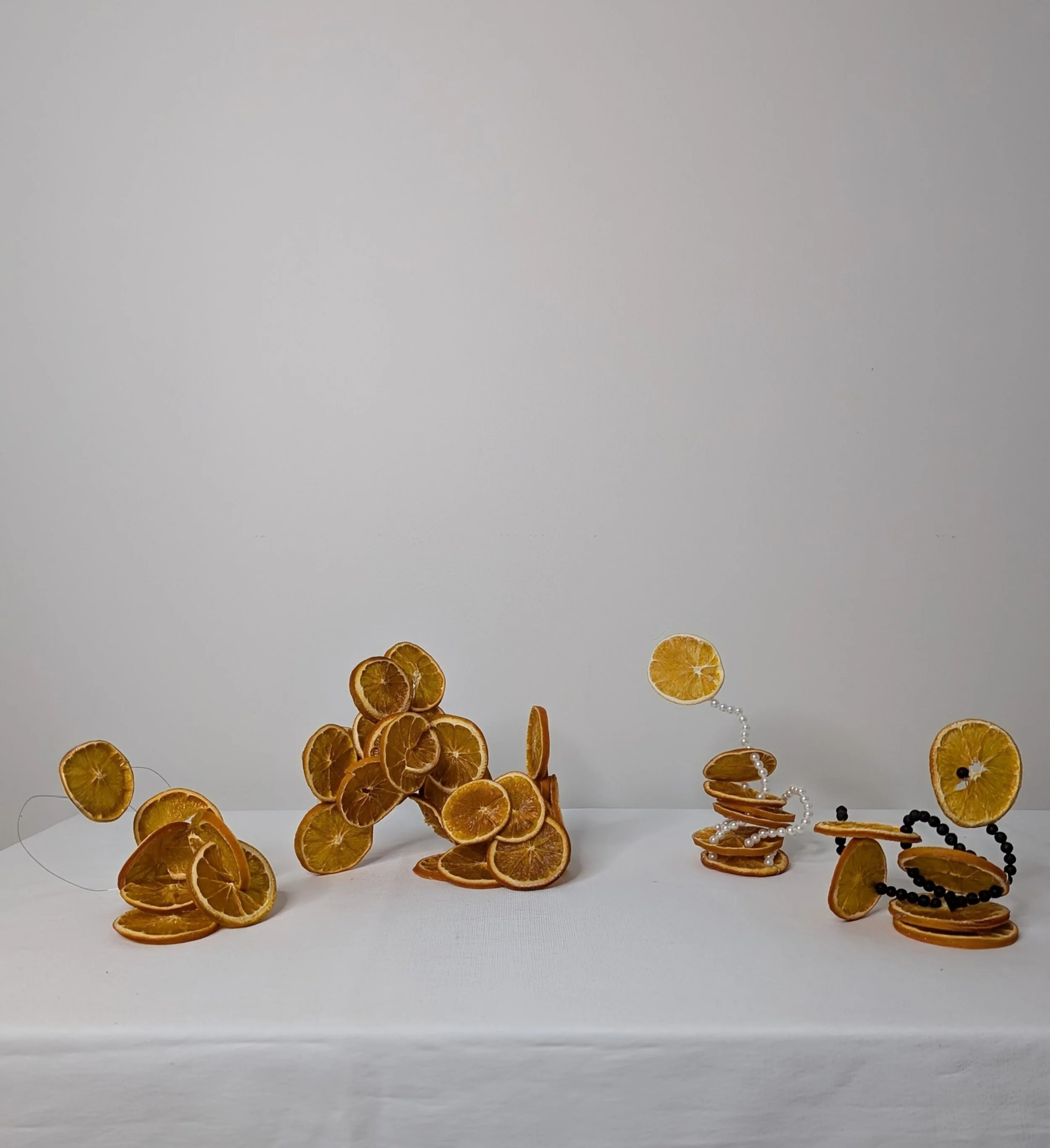
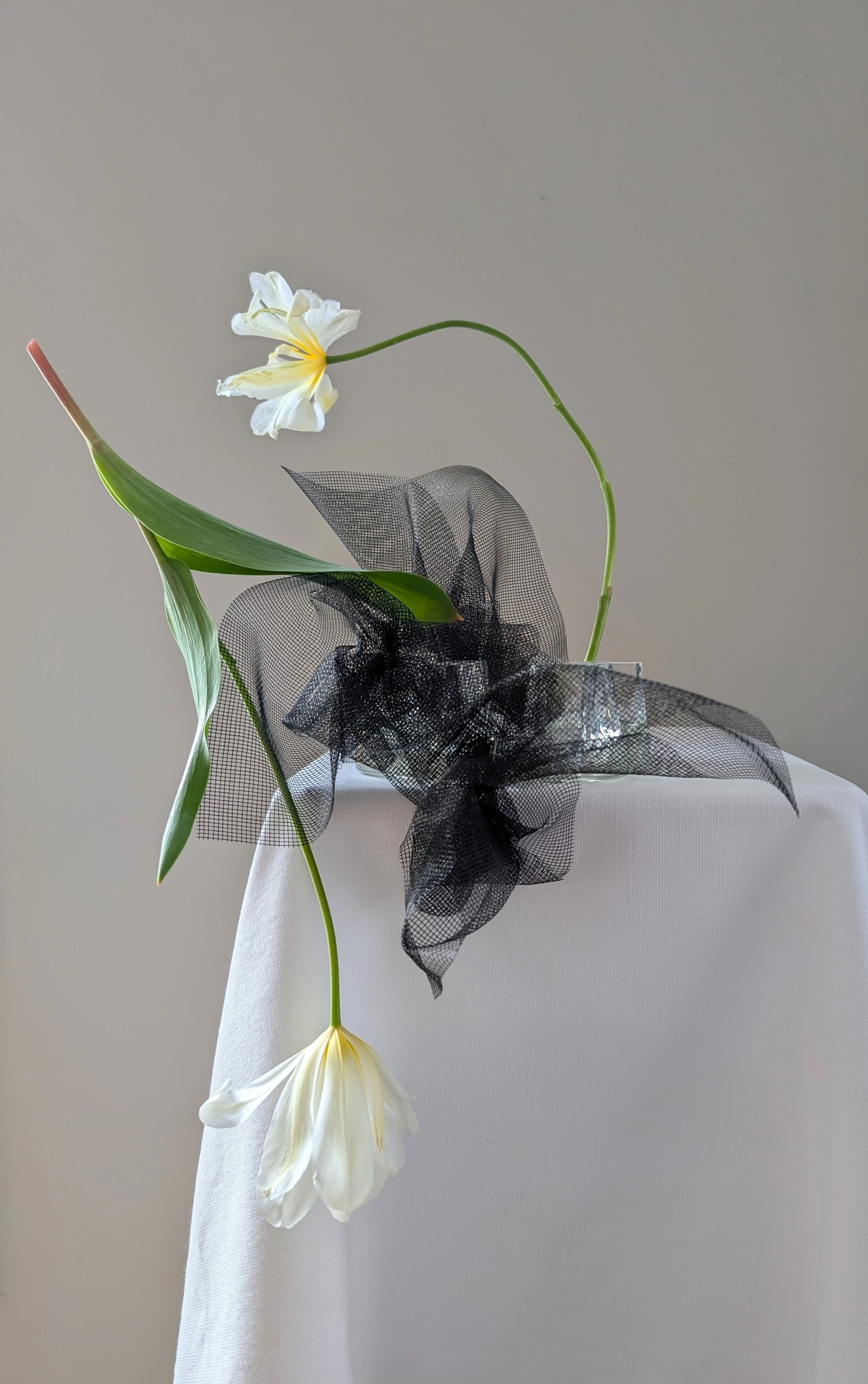
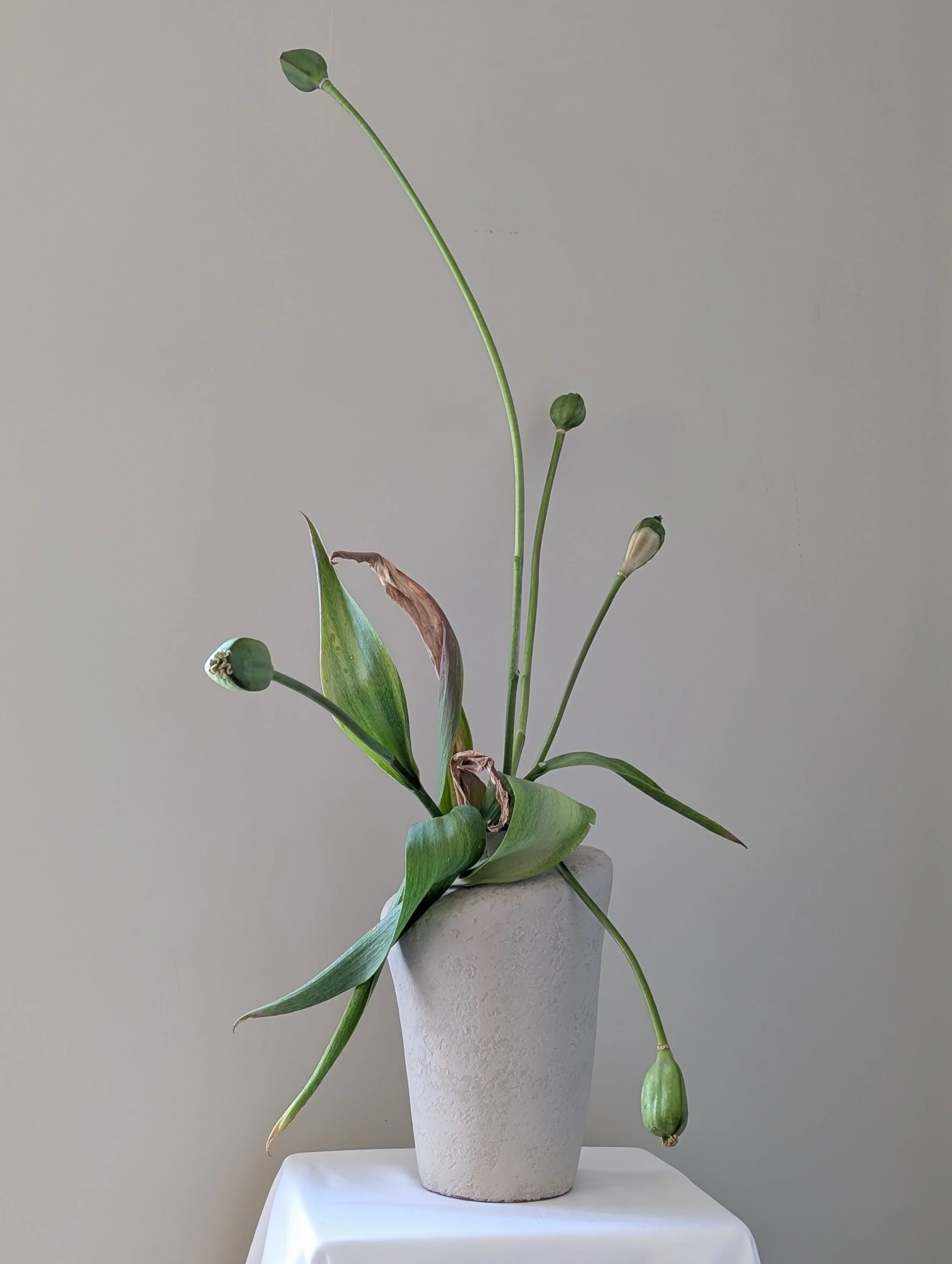
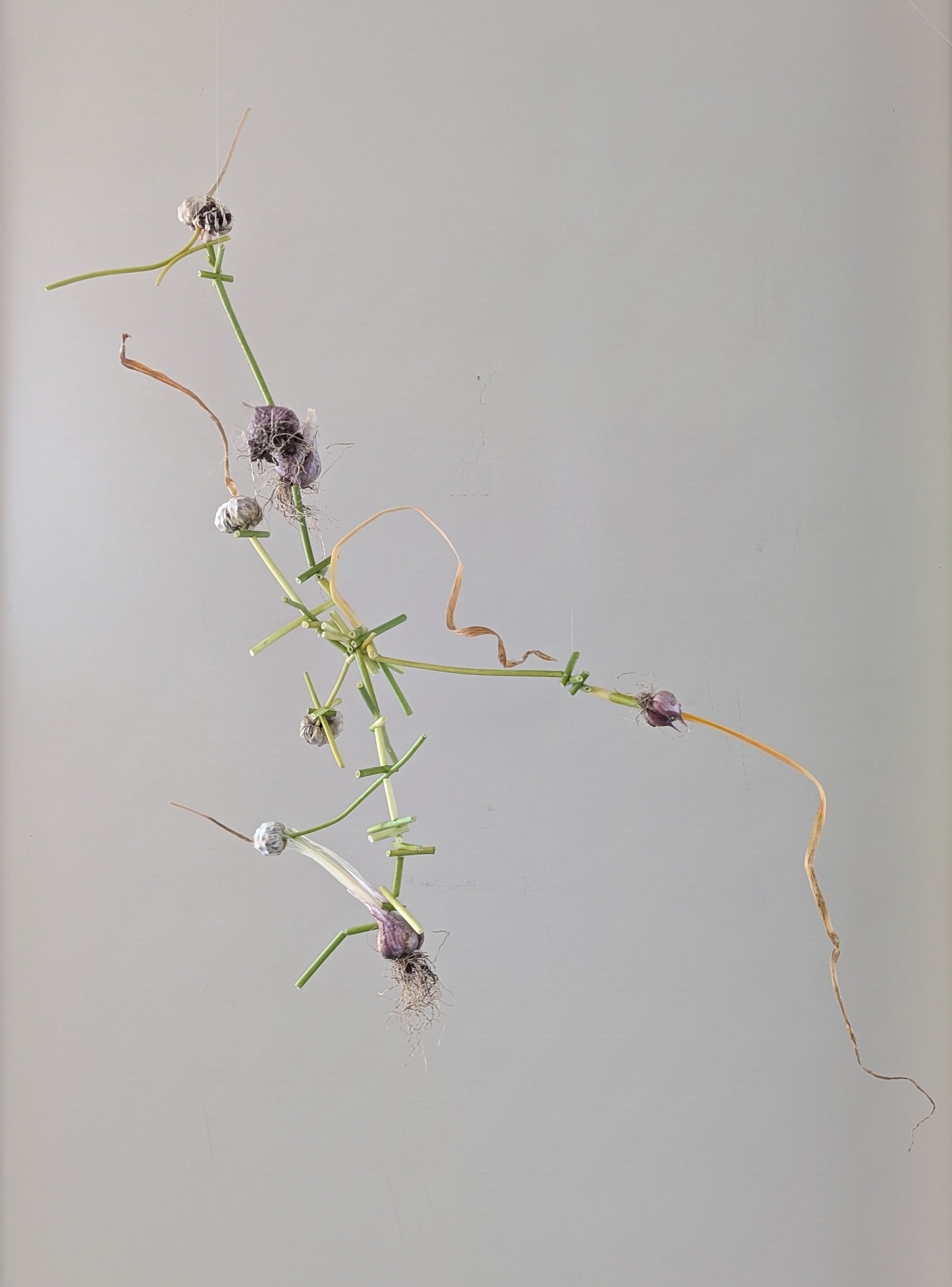
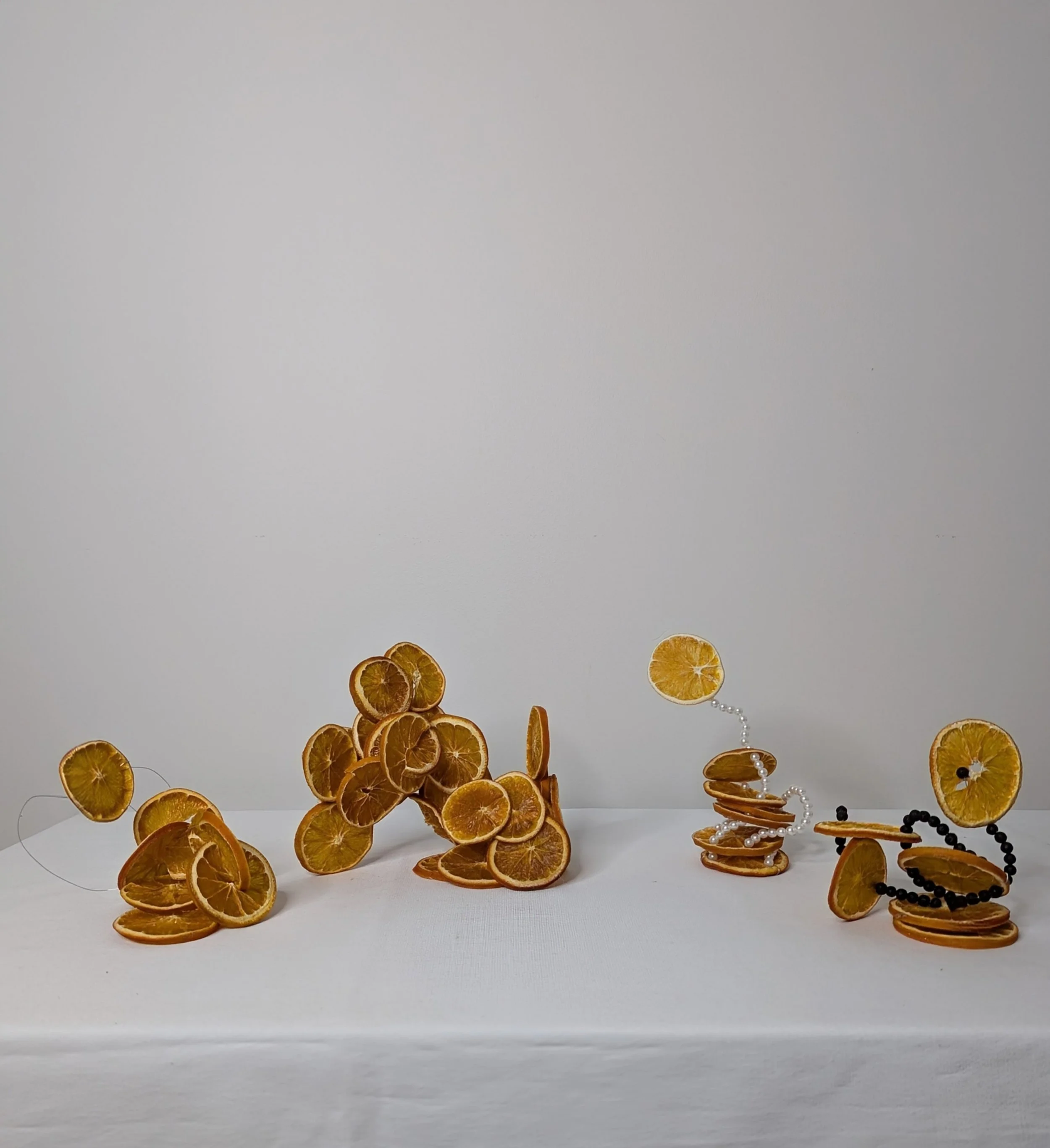
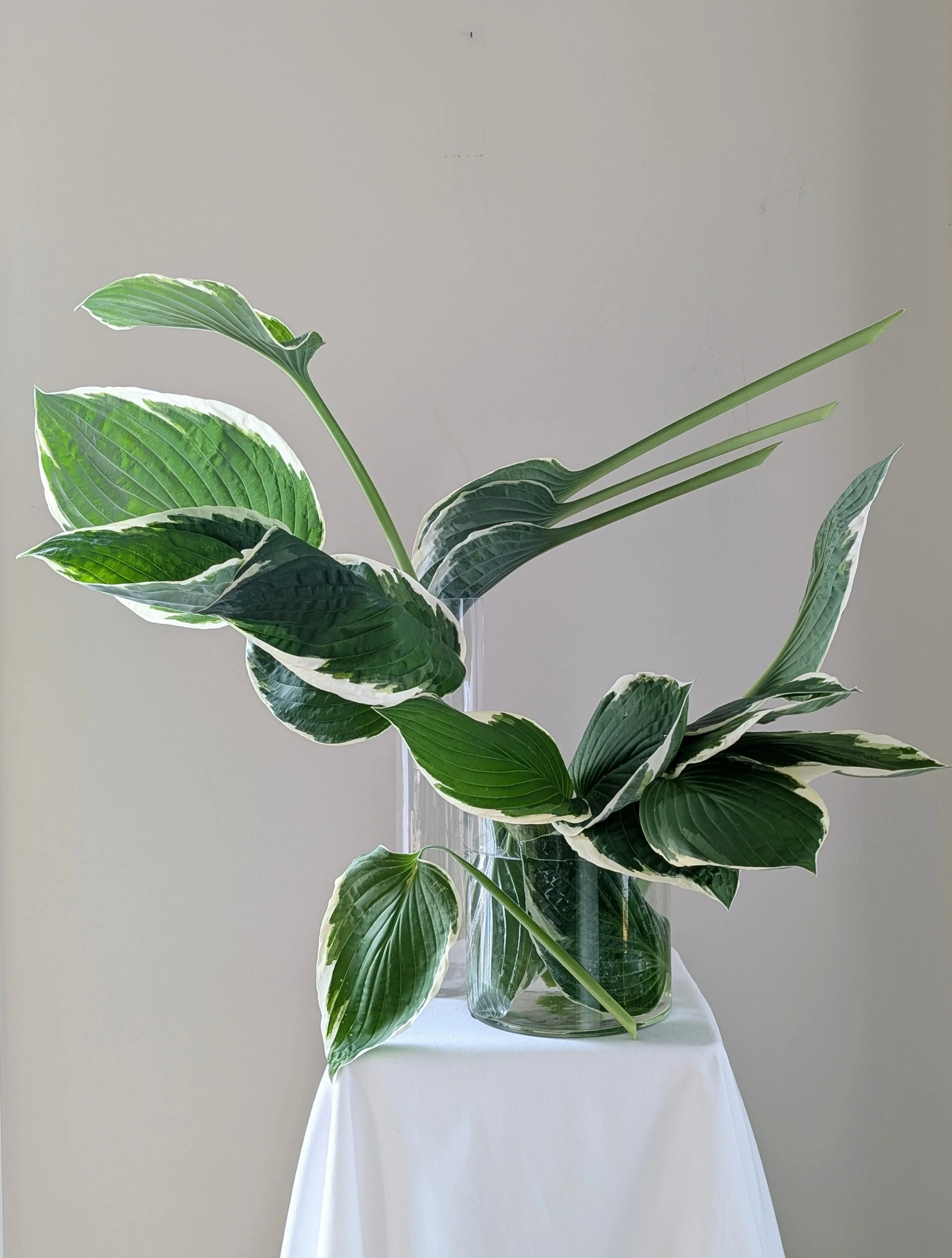
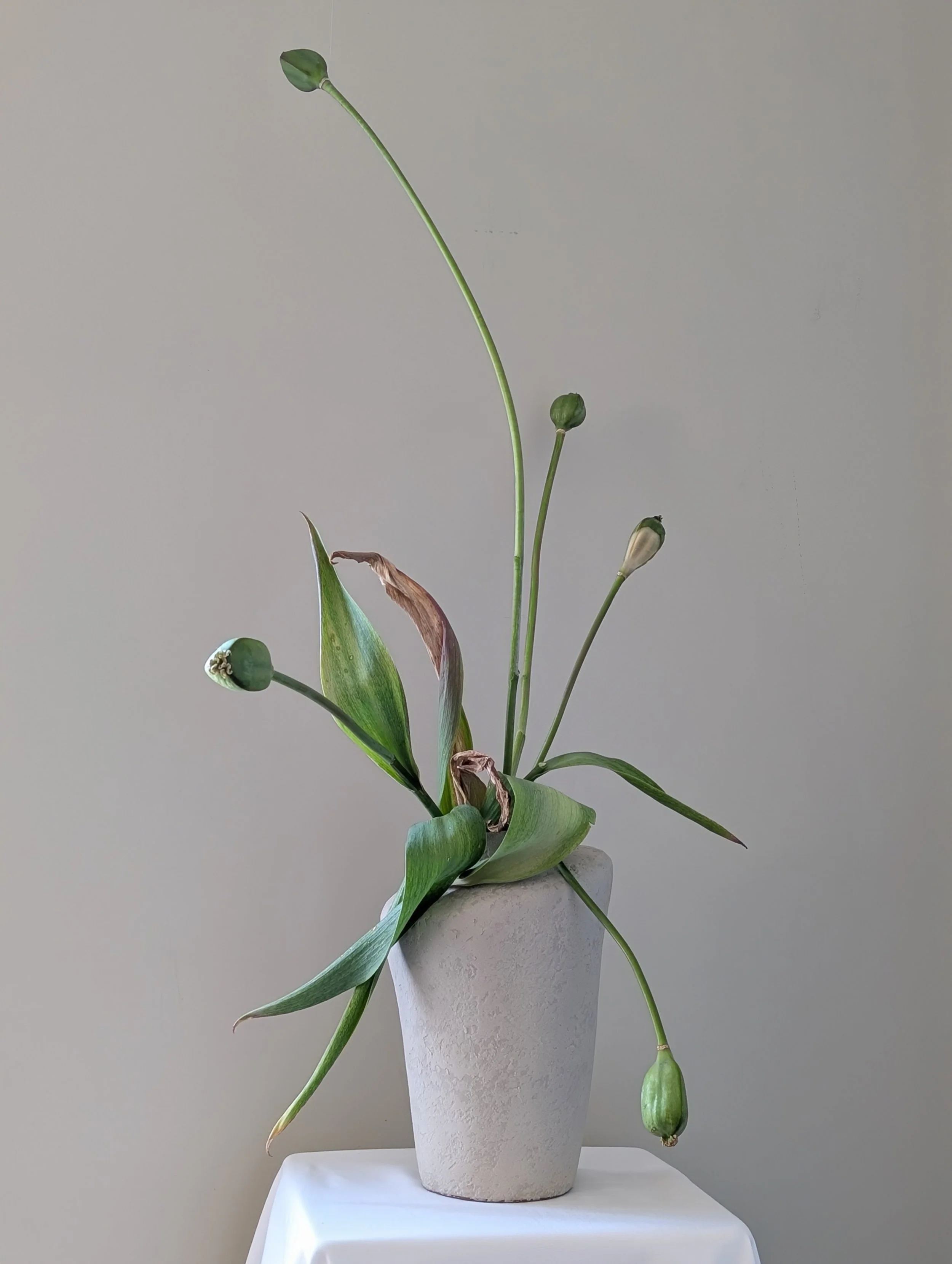
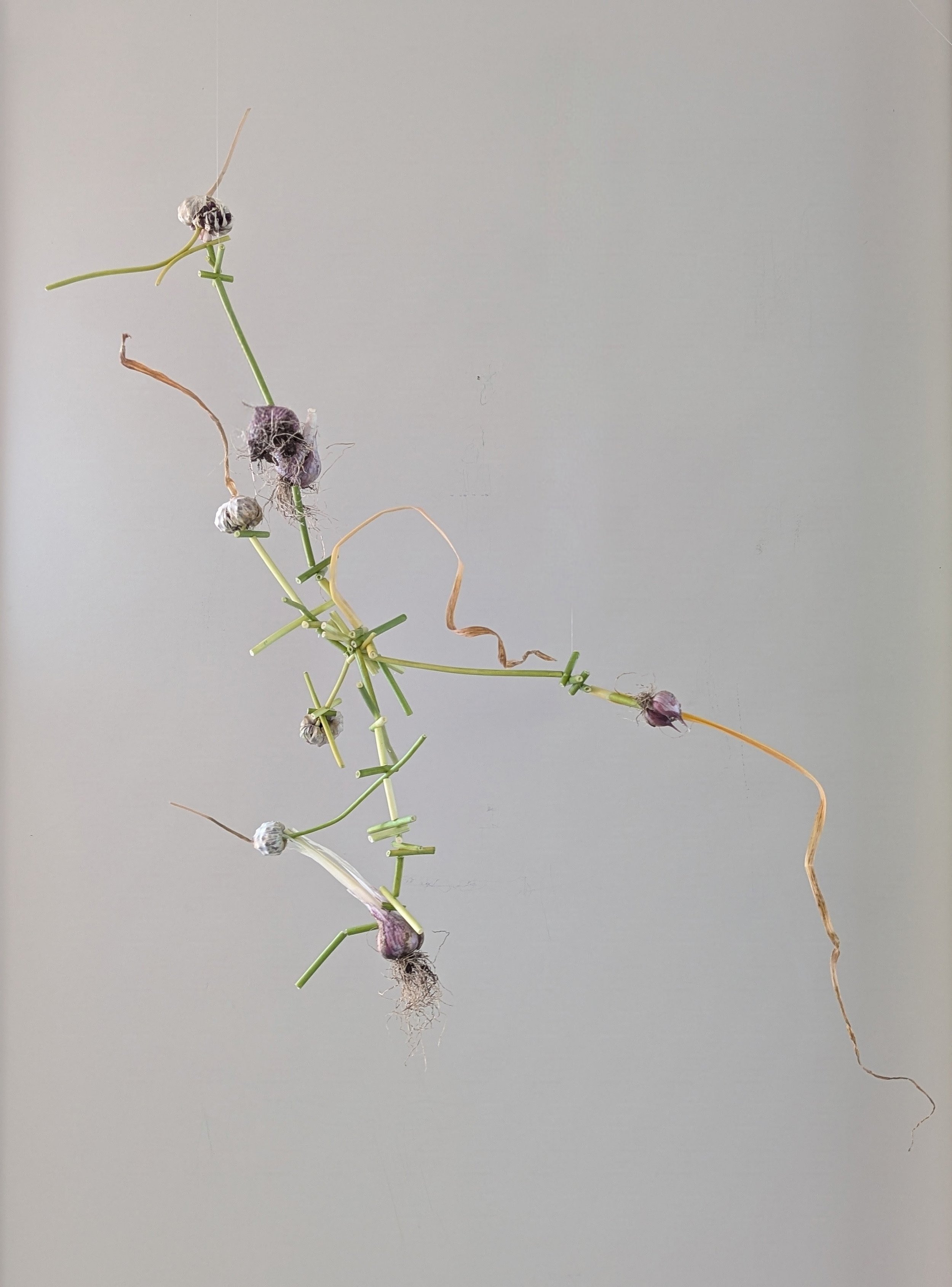
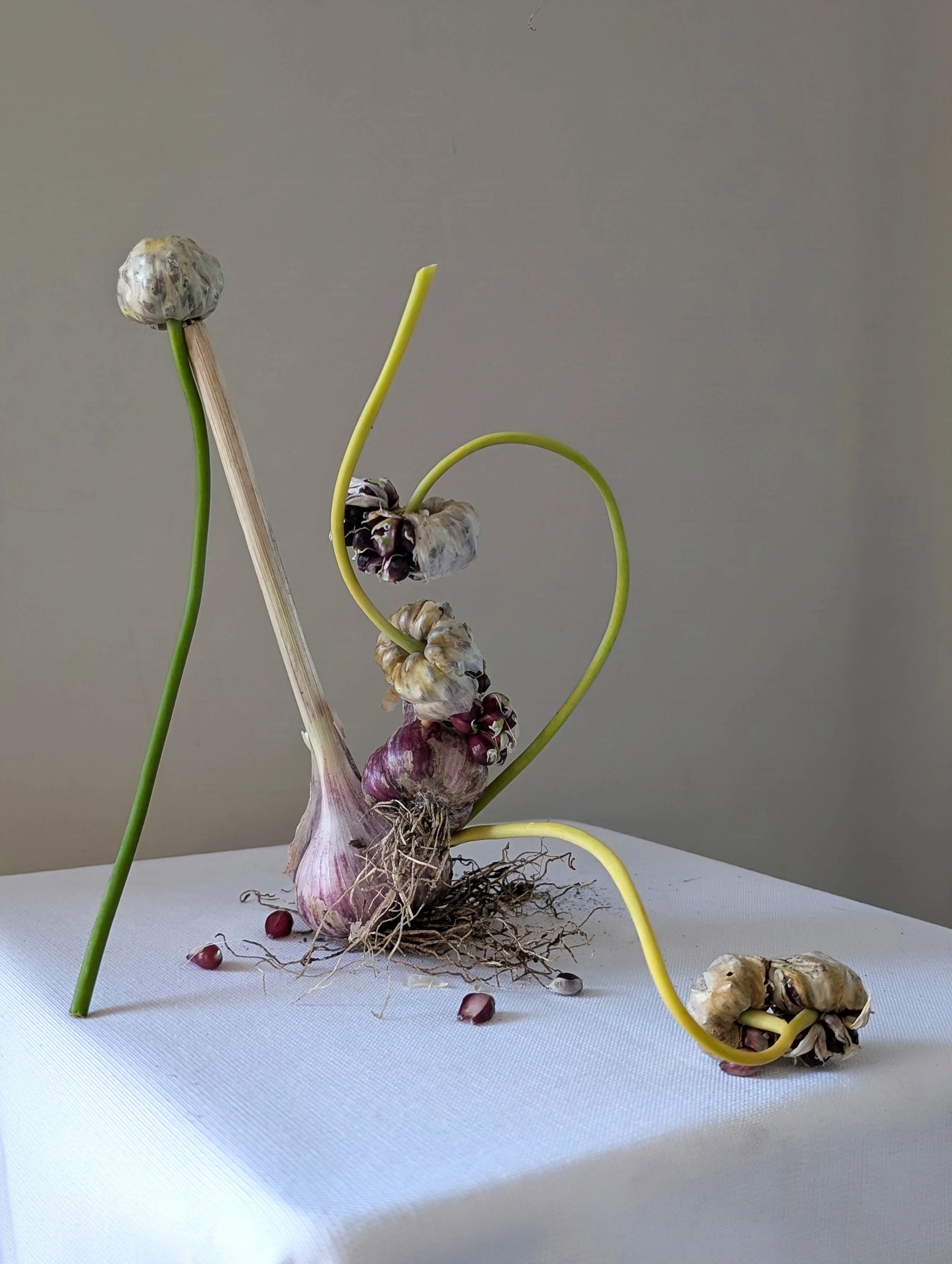
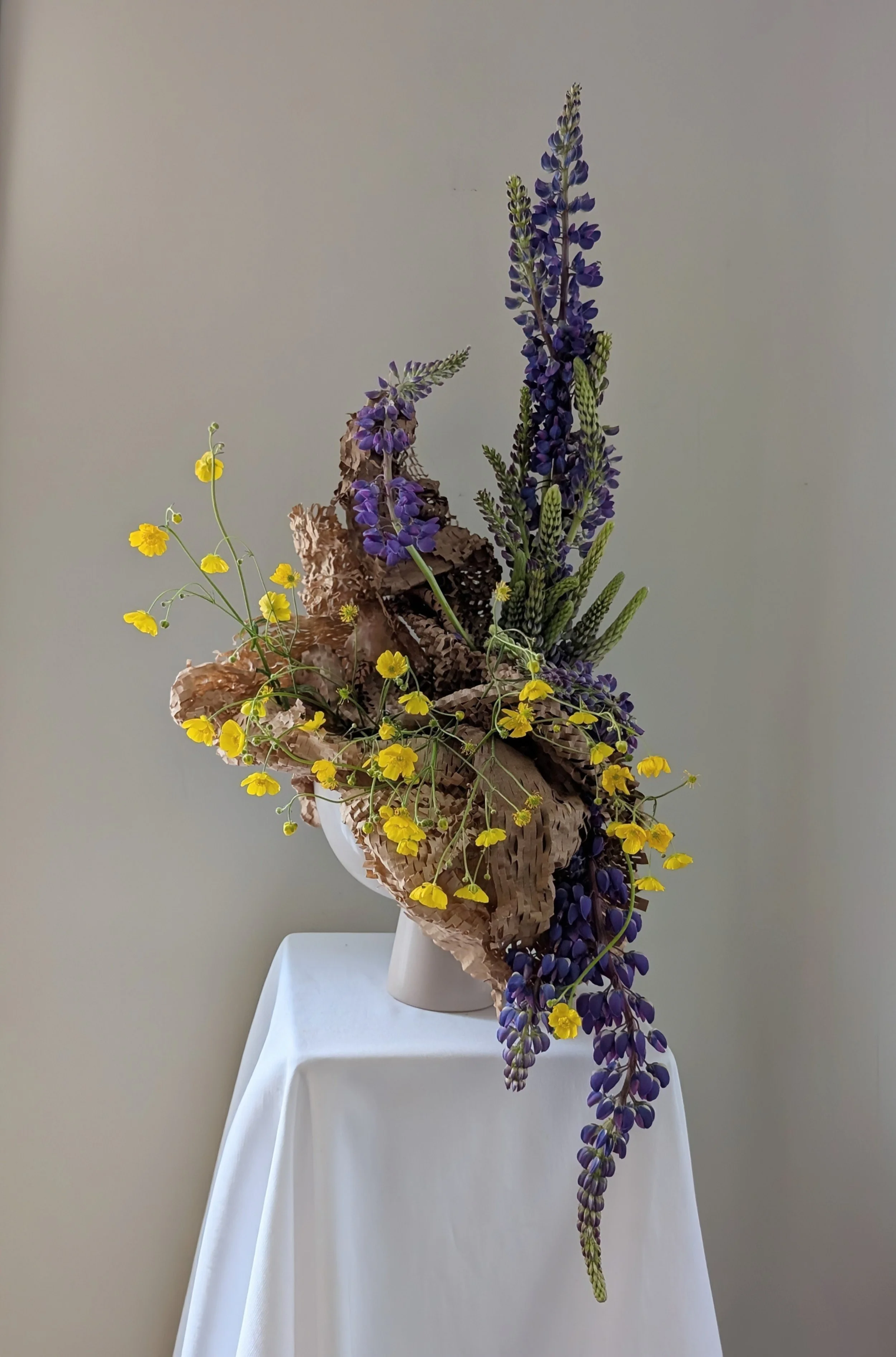
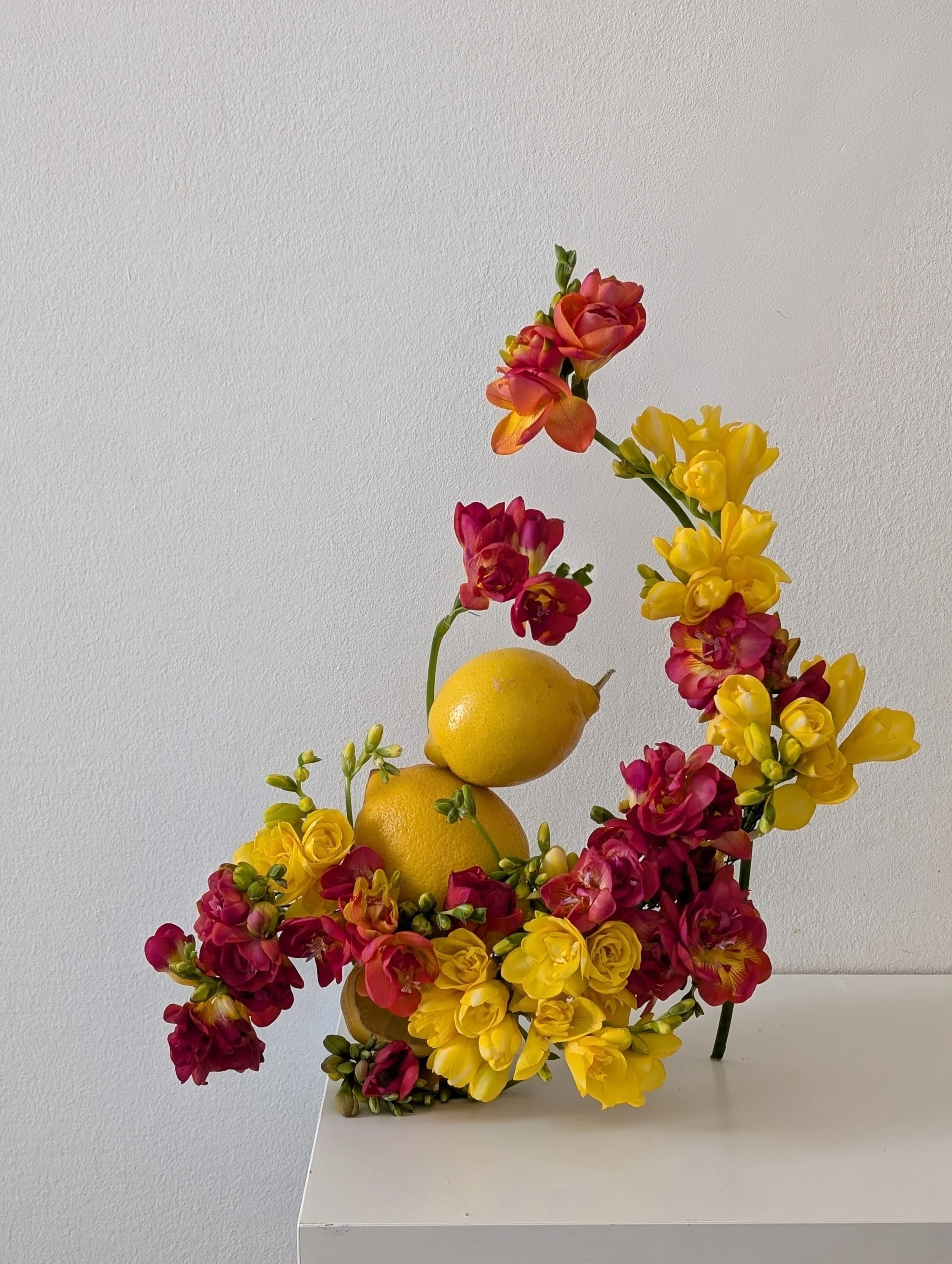
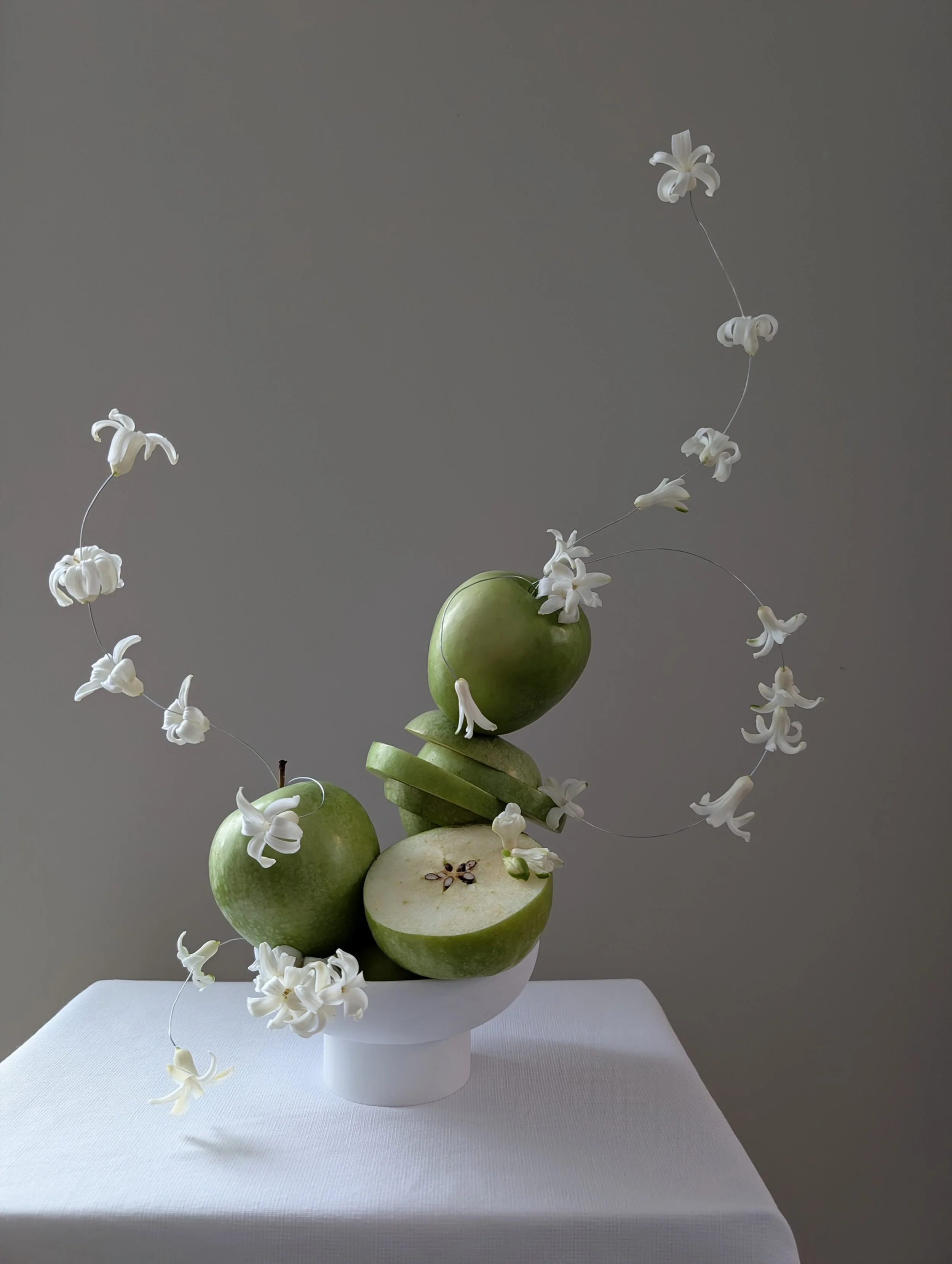
Katerina works with botanical materials as an artistic medium, letting it become both subject and collaborator while creating installations and sculptural compositions defined by texture, asymmetry and movement. She often combines botanicals with reflective and reclaimend materials - including mirror, glass, or recycled paper and found objects - to create immersive compositions that explore the dialogue between the natural and the human-made.
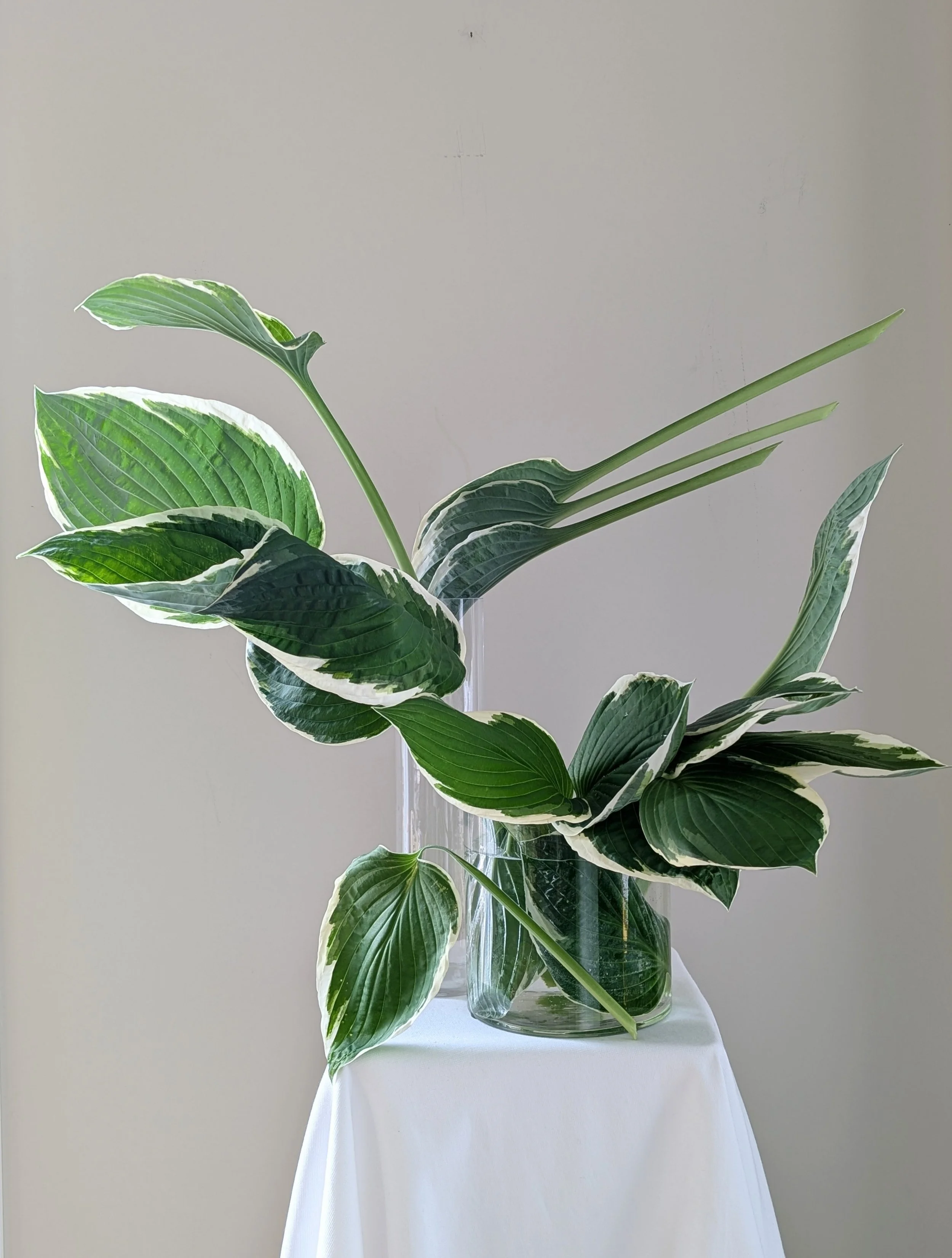
Fresh and dried materials often coexist within the work, creating dialogues between past and present, fragility and resilience. Most of her botanical installations and sculptural compositions reflects also on personal situations and subjects that deserve our attention.
Through a process of observing, collecting, preserving, and transforming organic matter, she explores the expressive potential of natural materials and their changing states. Approaching plants as sculptural materials rather than decorative objects - each of her work seeks to evoke a sense of wonder, inviting viewers to slow down and reconsider their connection to the living environment.
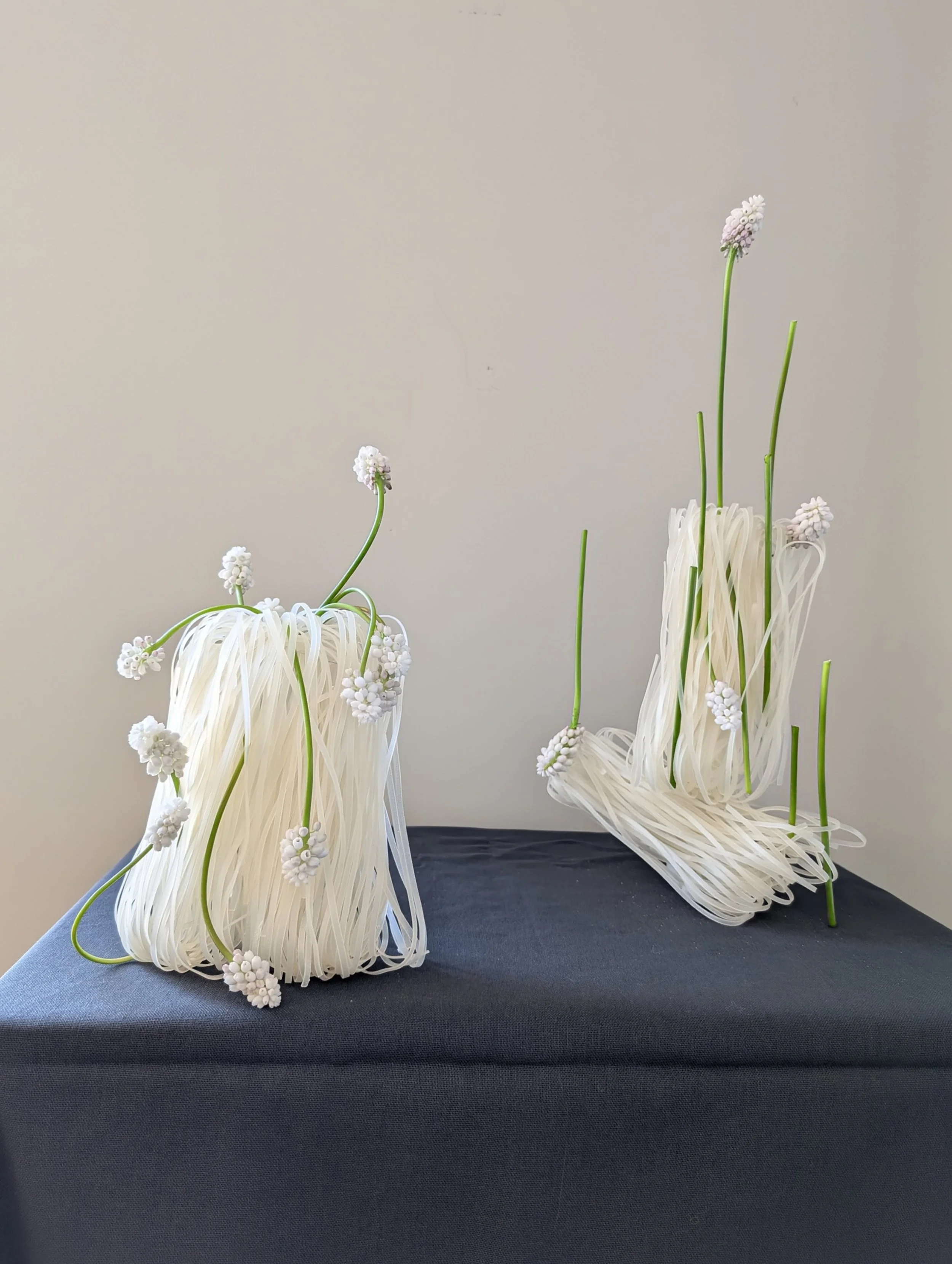
“It is an ongoing exploration of nature, materiality, transformation and the relationship between the surrounding living world and our own experiences.”
What was your journey into becoming an artist?
My journey into art began during a period when I needed to heal. When experiencing burnout and my first pregnancy at the same time, I felt it is necessary to slow down and to reconnect to the sense of wonder and joy I had known as a child, when spending time outdoors, playing in the nature and exploring the small, living details around.
I realised that creating with plants is a gentle way of listening inwardly, of having my own space of stillness, and of processing what I am going through without needing to explain it directly.
Art became a way of moving through anxiety and moments of panic — not by trying to silence them, but by giving them somewhere to go.
With a background in classical floristry and contemporary floral design, I began to look beyond flowers and plants as decorative elements only, I see them more as endless varieties of forms and textures, carrying their own character, history, and presence. Over time, this curiosity evolved into a more personal artistic practice, where gathering, preserving, and transforming natural materials became an essential part of the work.
ATELIER FRØ grew from this process. It is an ongoing exploration of nature, materiality, transformation and the relationship between the surrounding living world and our own experiences.
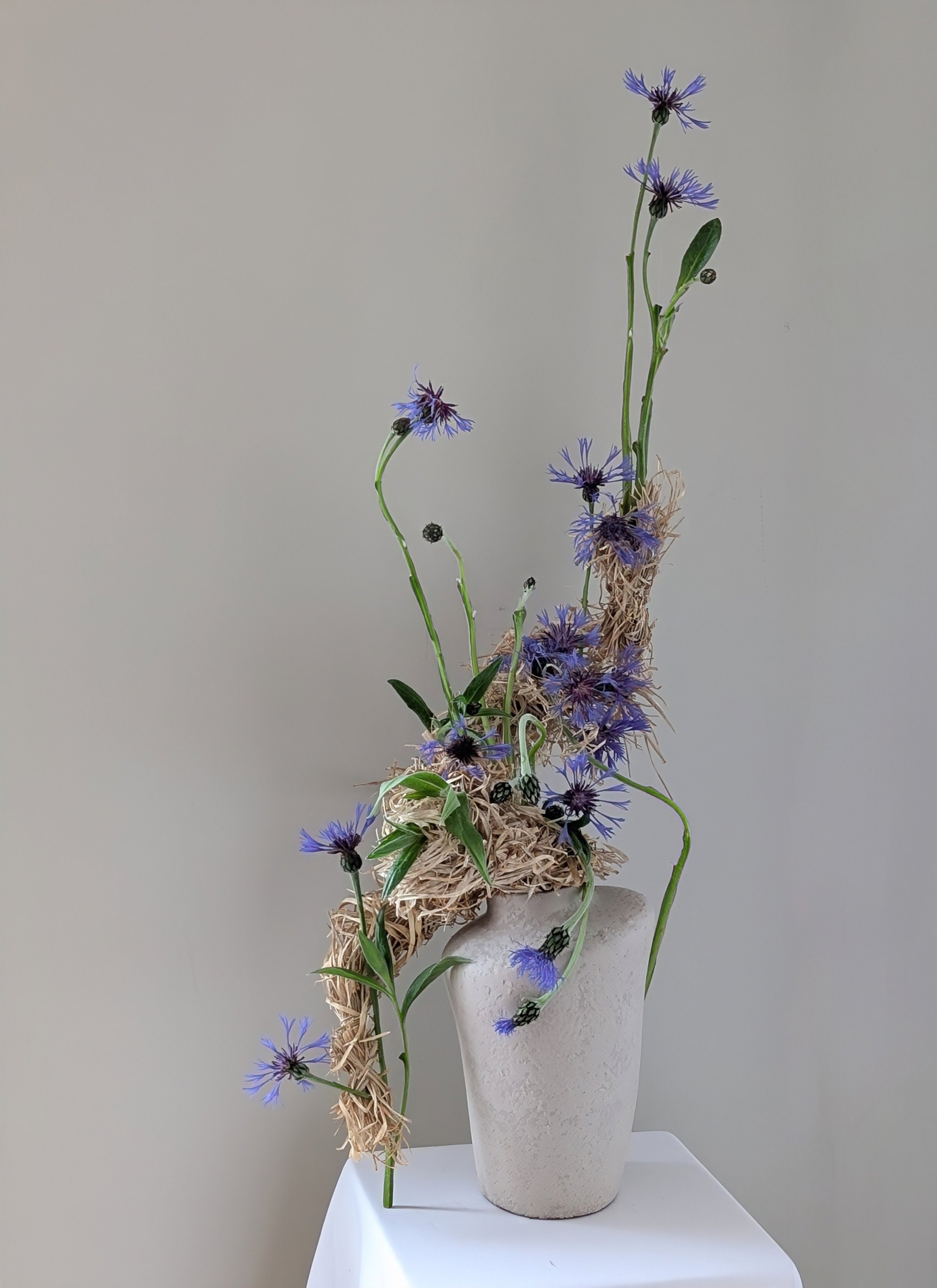
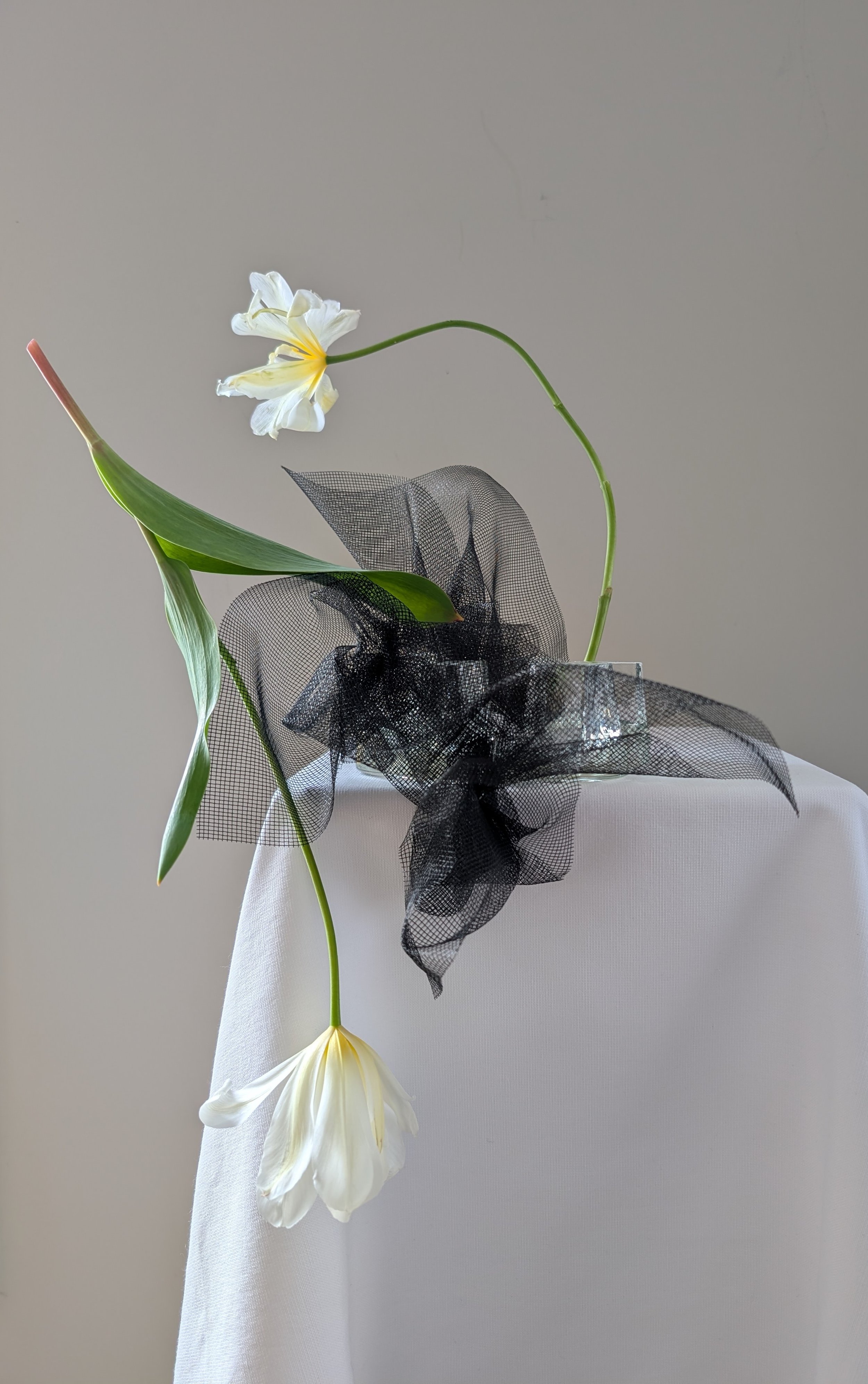
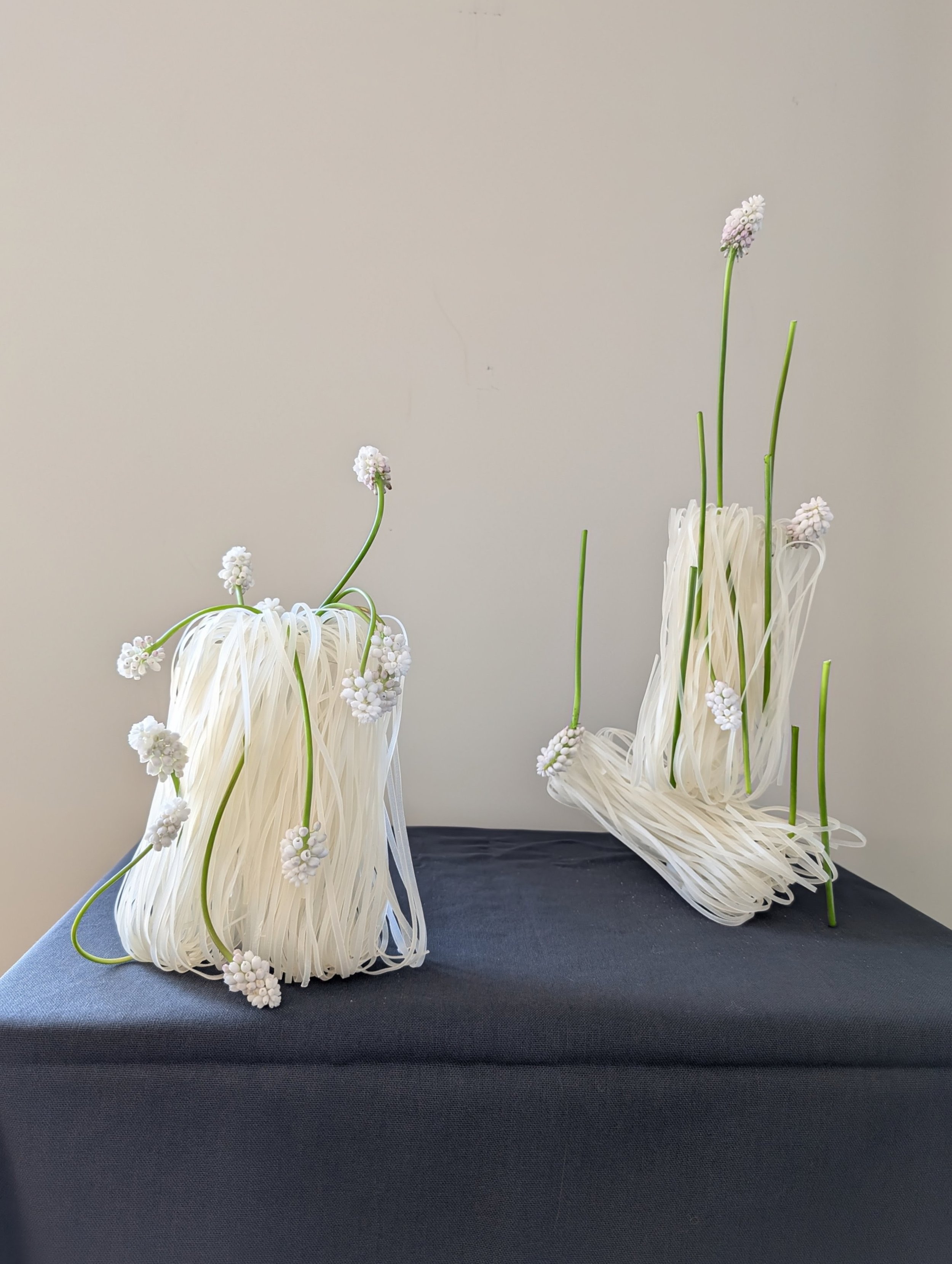
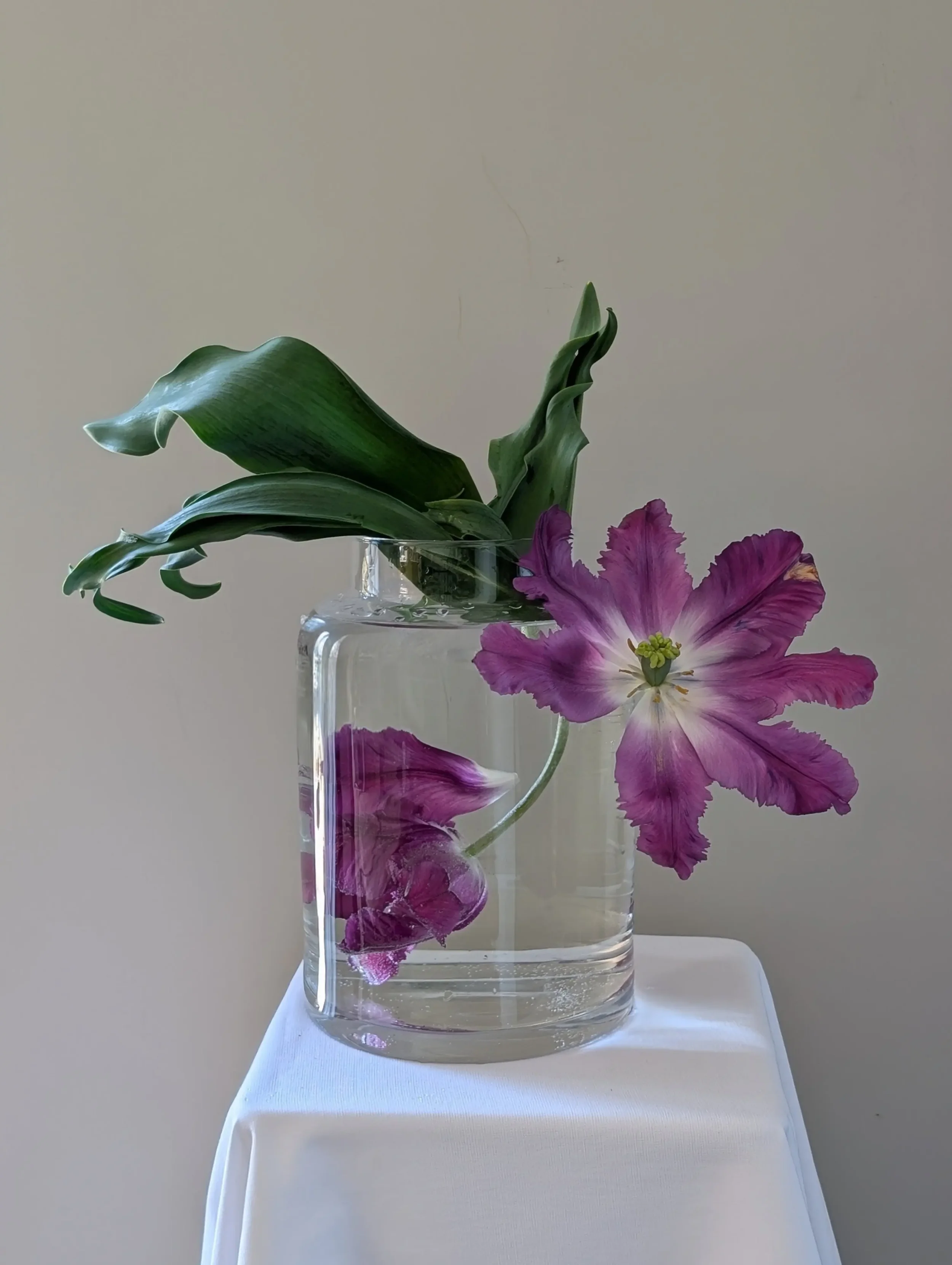
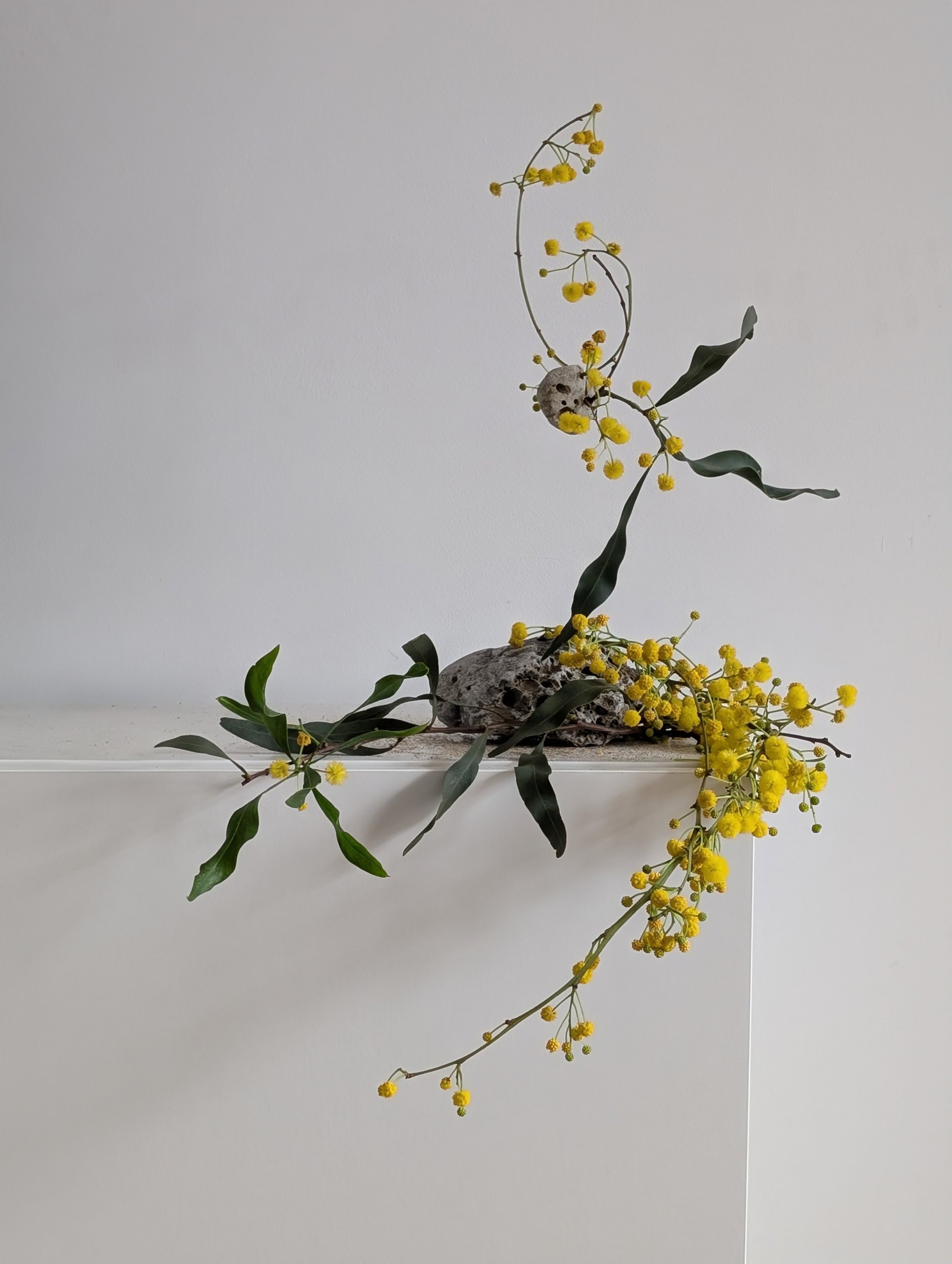
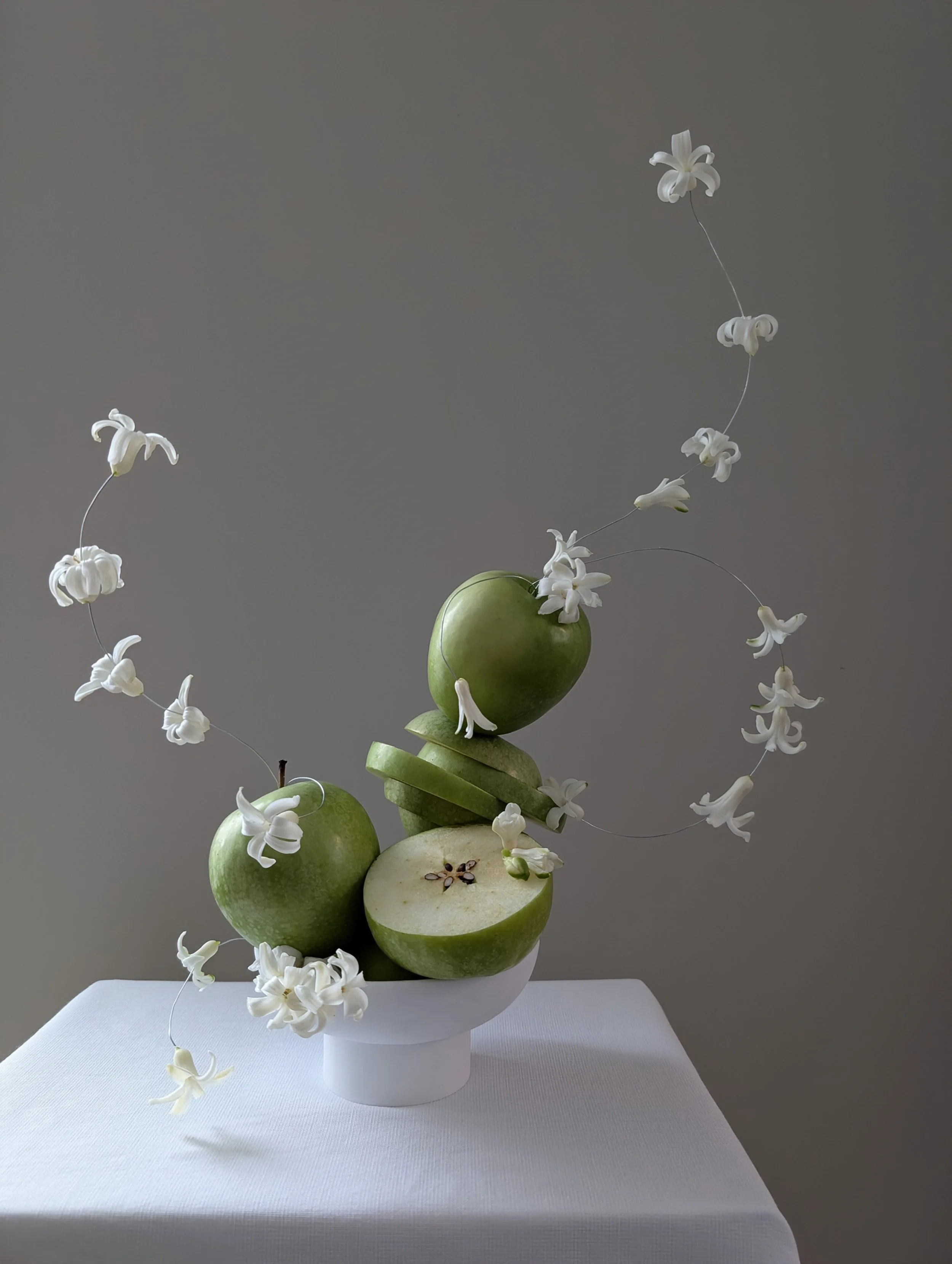
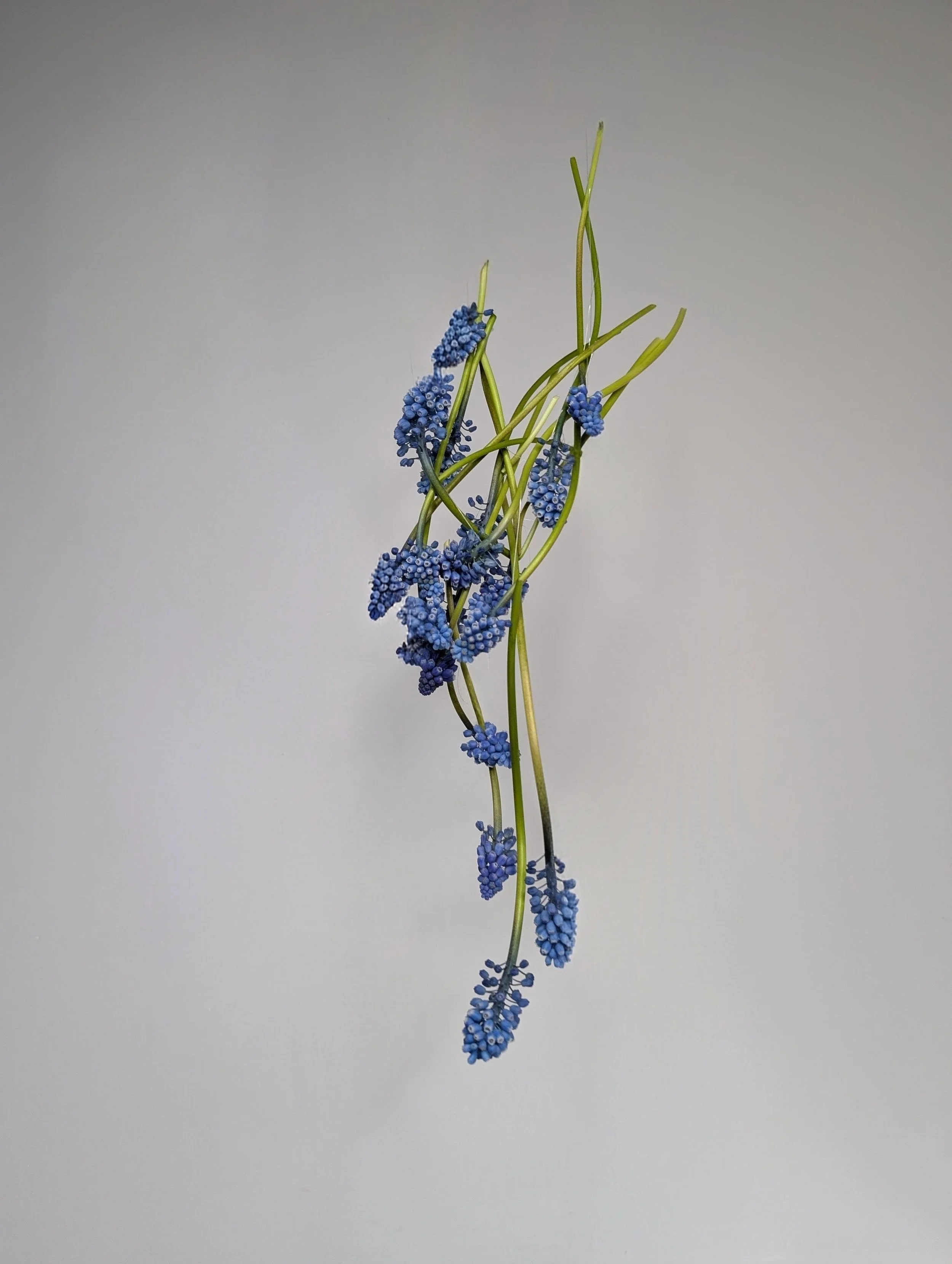
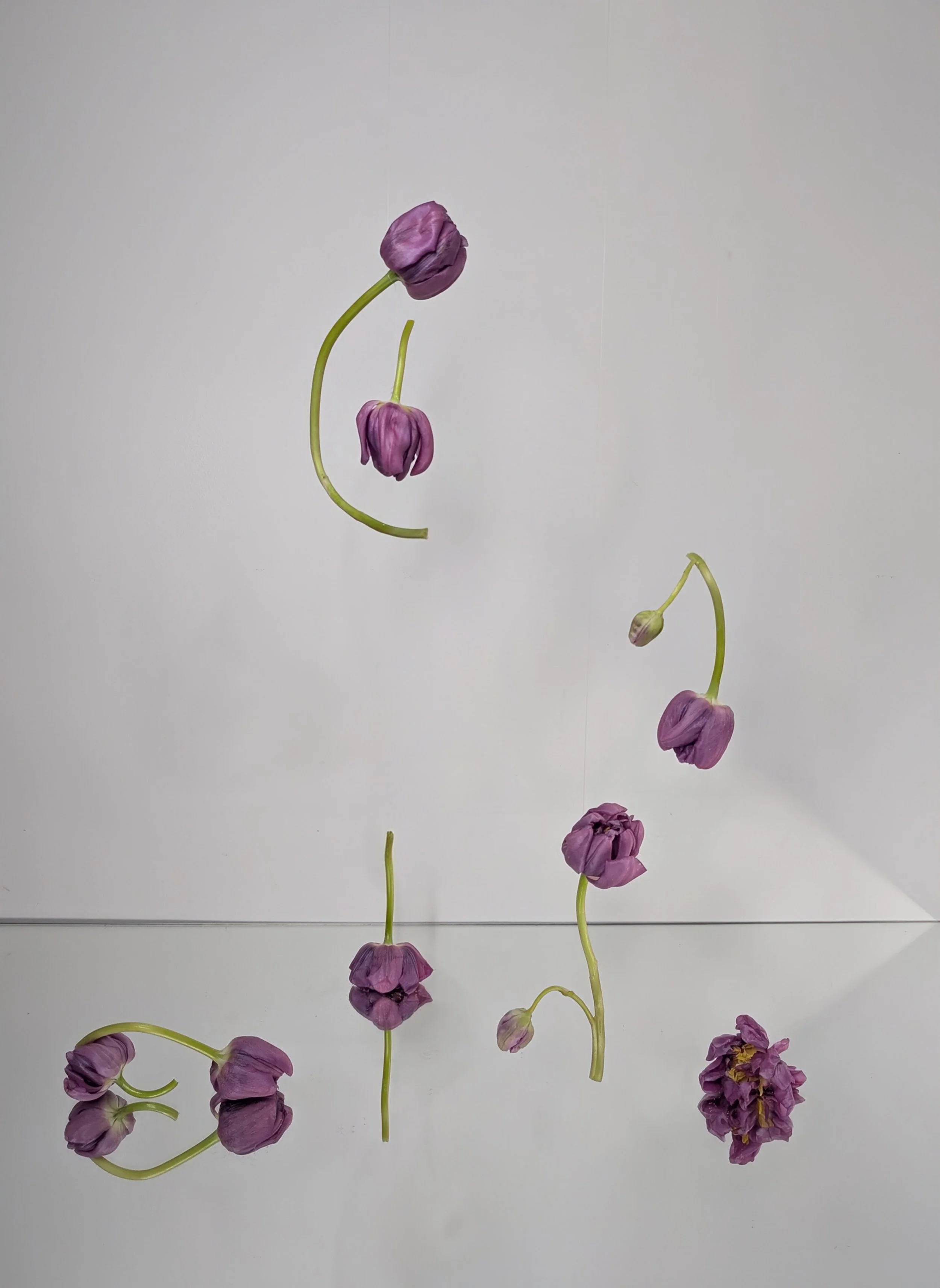
What role does the natural world play in your work?
Nature is both my primary source of inspiration and an active collaborator in my work. I am drawn to the overlooked — plants growing along roadsides, in abandoned places, or in landscapes we pass without a second glance. There is something deeply moving about their persistence, their ability to adapt, transform, and exist without asking for our attention.
I see botanical materials not simply as objects to be arranged, but as forms with their own identity. Their irregularities, imperfections, and changing states are what make them so compelling. A plant carries traces of time within it; even in its dried or altered state, it holds a memory of what it once was.
Through my work, I seek to create a space for a closer encounter with these forms. I am interested in the tension between fragility and strength, presence and absence, growth and decay. By isolating a detail or placing familiar materials in an unexpected context, I hope to invite others to look again — and perhaps discover uniqueness that was there all along.
What is your creative process?
Everything begins with observation and appreciation. I spend time noticing what surrounds me — the shape of a branch, the texture of moss, a plant growing in an unlikely place, or the way a particular form changes as it dries. Often, a small detail becomes the starting point for an entire work.
I gather materials locally and seasonally, allowing the landscape and the time of year to influence what becomes possible. Some materials are used fresh, while others are dried, preserved, or transformed. I am particularly interested in bringing different stages of a plant's life into conversation, allowing its changing character to become part of the composition.
From there, the process becomes an exchange between intention and intuition. I experiment with scale, balance, texture, and negative space, sometimes introducing glass, mirrors, paper, or found objects to create a different relationship between the botanical elements and their surroundings.
I enjoy to work with restraint, allowing each material enough space to be seen. The final form is rarely about controlling nature, but about finding a moment of balance with it. For me, the process is as important as the finished work — it is an act of attention, patience, and discovery.
Is there anything you’re currently working on or looking forward to in your work that you’d like to share more about?
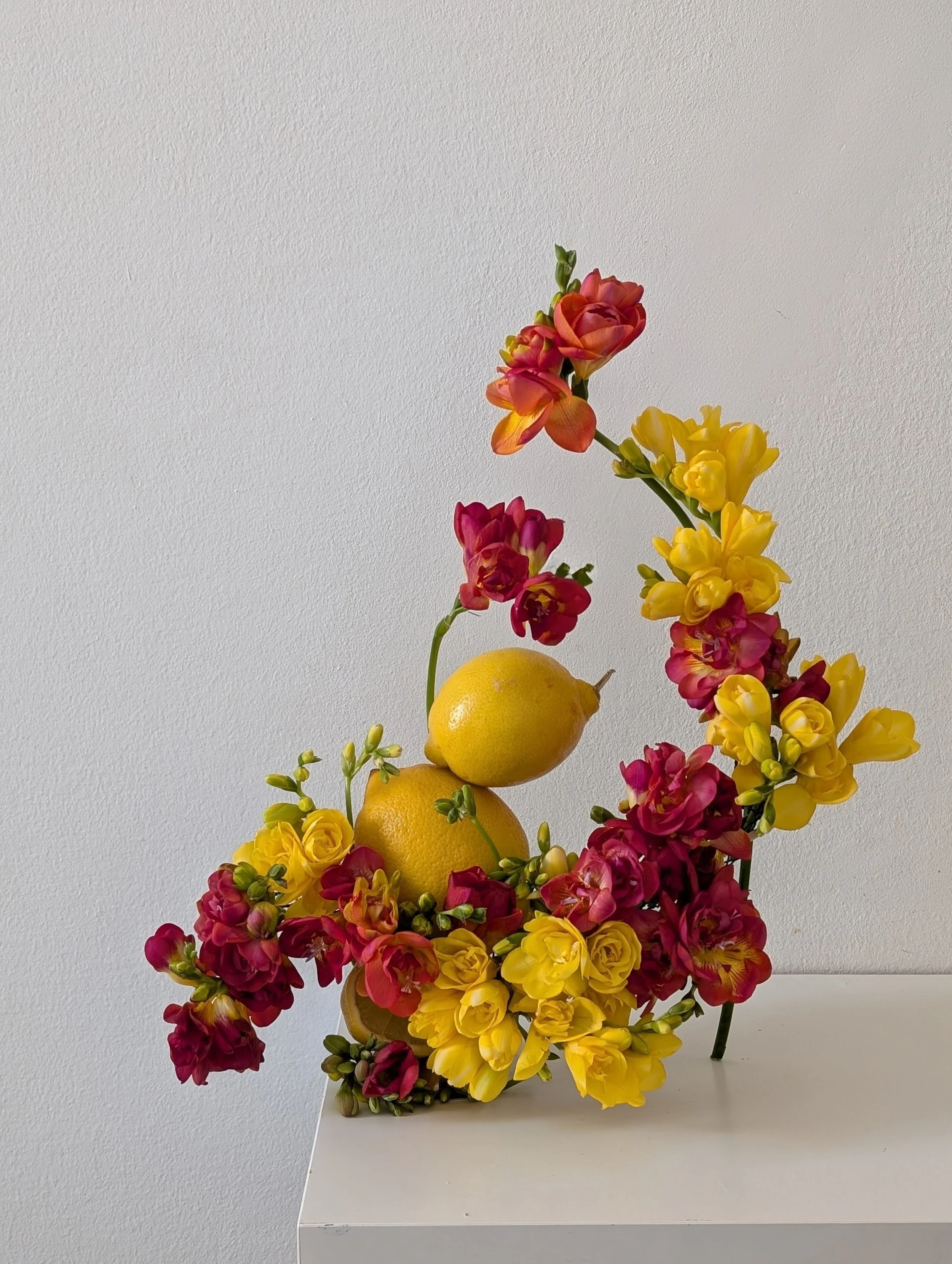
I am currently developing MOMENTS, a body of work that revisits my botanical sculptures and installations through photography and risograph printing. Rather than documenting the works simply as they appeared, I am focusing in what remains after the moment has passed — the trace, the memory, the almost-vanishing form.
The monochromatic risograph prints translate the original works into something quieter and more elusive. Some details emerge while others seem to dissolve, creating an experience somewhere between an image and an afterimage.
It is a way of exploring impermanence and considering how we remember things that were never meant to last.
Alongside this, I continue to develop my broader practice through botanical sculpture, installations, and experiments with transforming natural and found materials. I am especially interested in bringing the work into new contexts and invite others to pause, look closer, experience and recognise how much can exist within a fleeting moment.