
Interview: Blair Butterfield
Blair Butterfield is a Cypriot-American multidisciplinary artist, writer, herbalist and educator based in Vermont, United States.
Working across photography, painting, cyanotype and botanical printmaking, she explores plants as living presences shaped by memory, medicine, ecology and human attention.
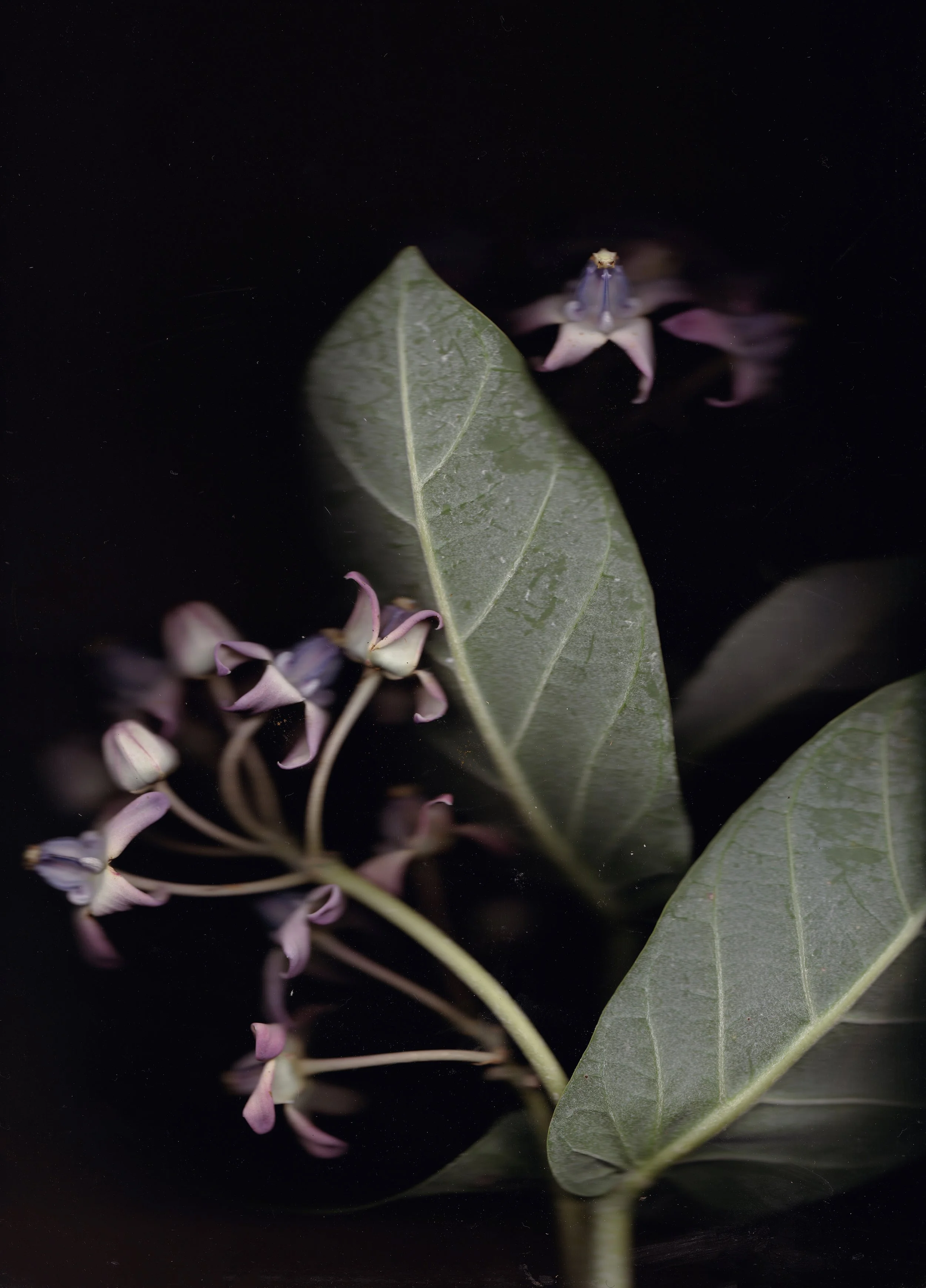
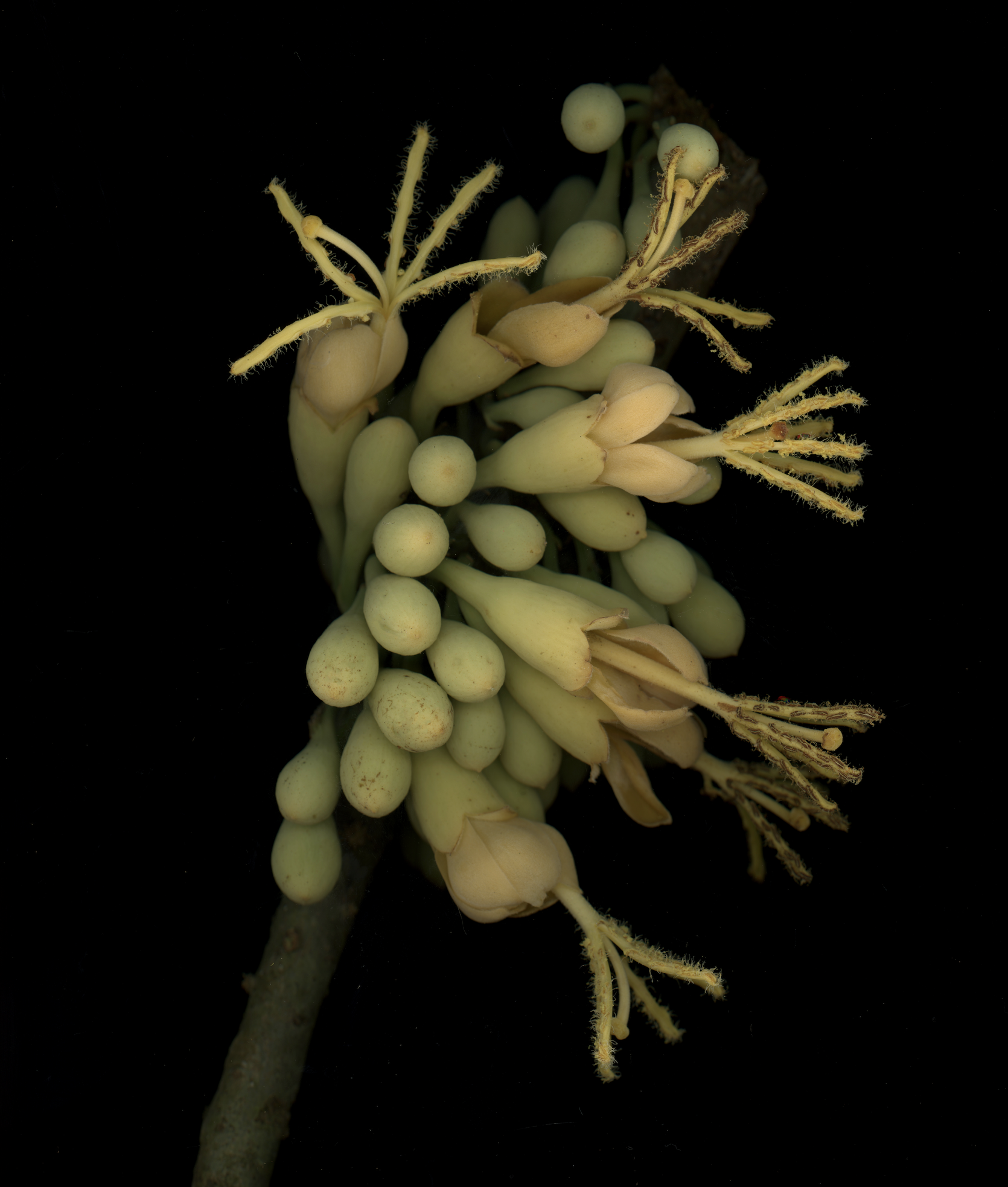
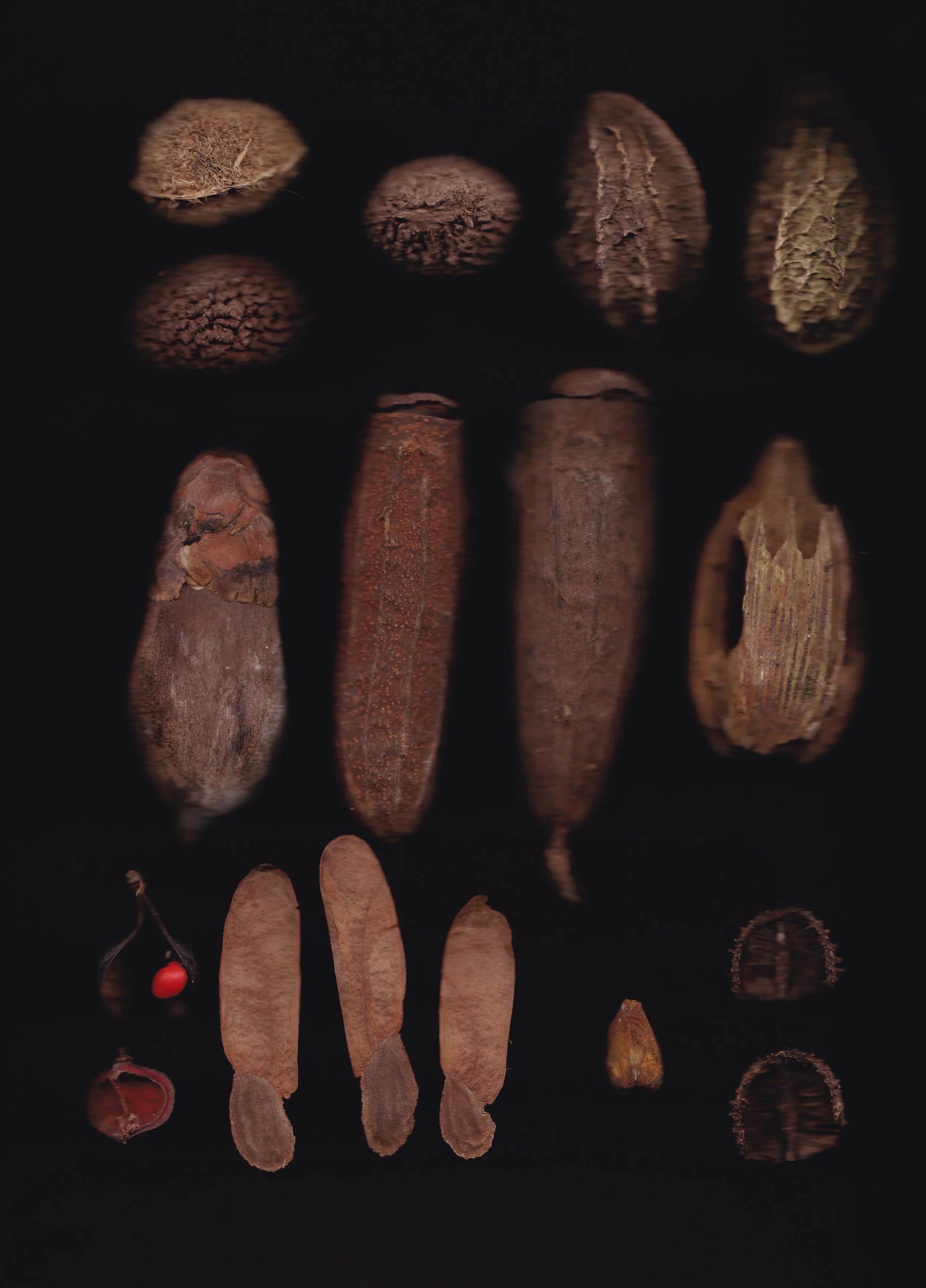
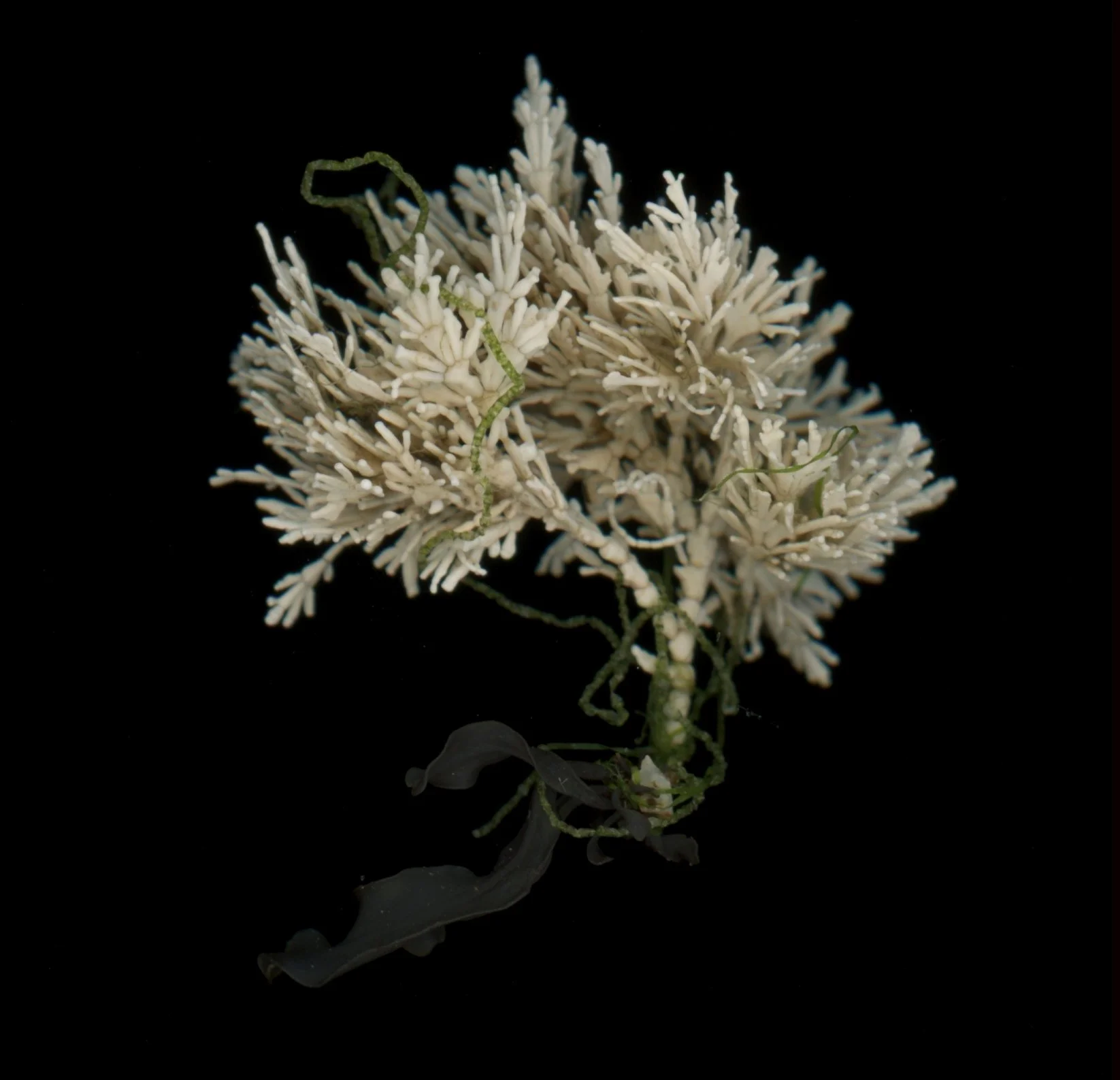
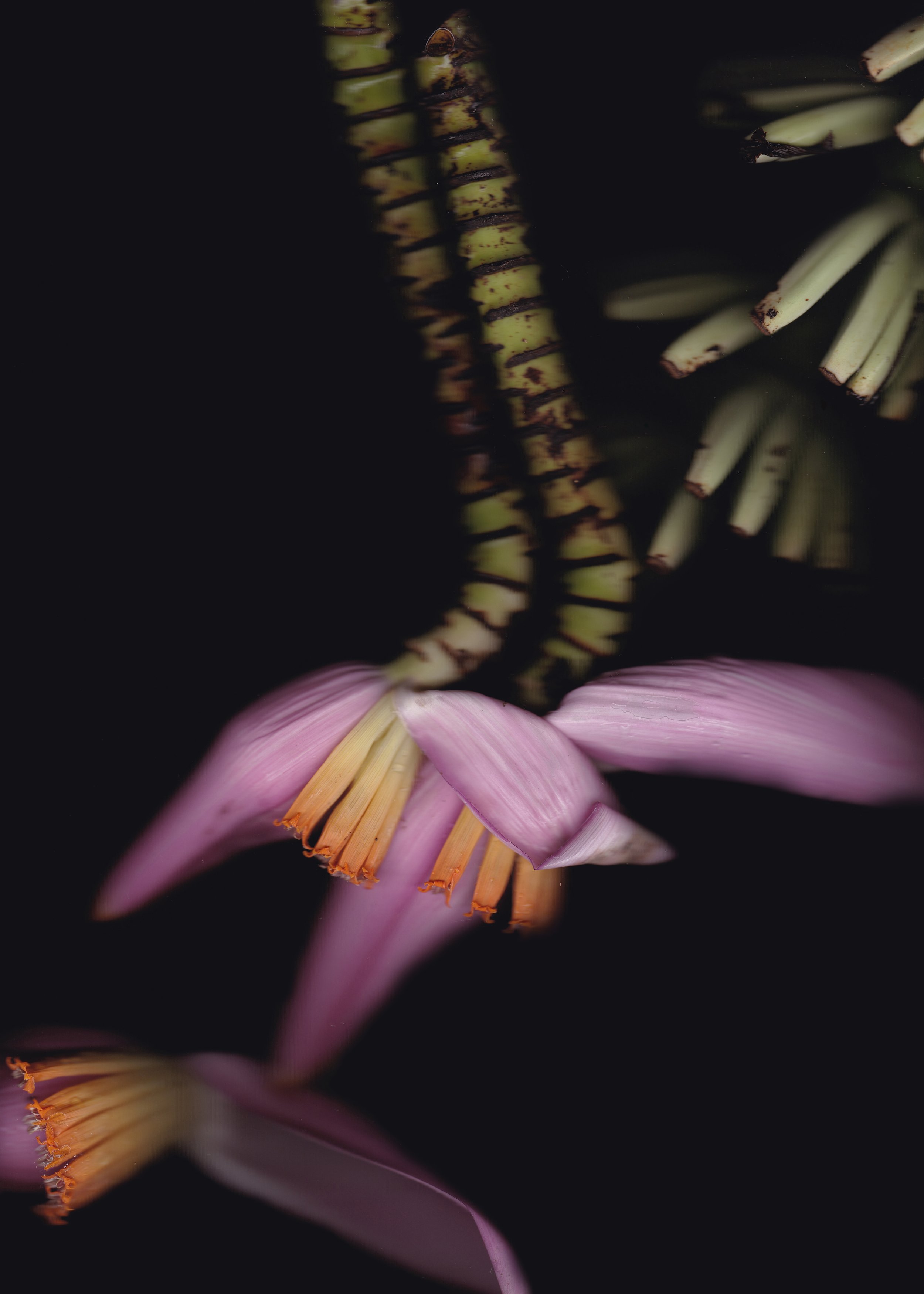
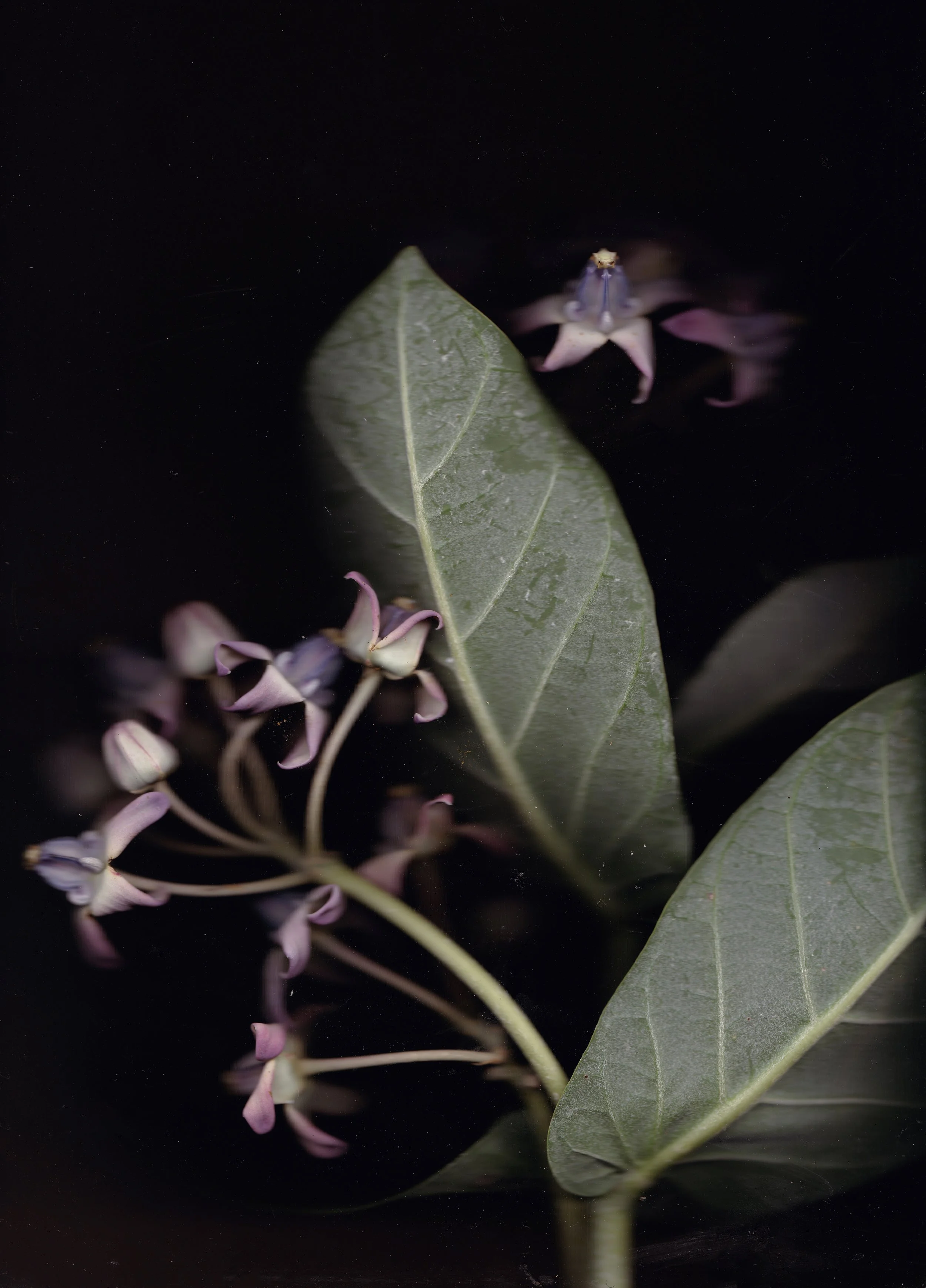
Her ongoing series Plant Portraits, developed through more than twenty-five years of photographing plant life, reflects her interest in looking beyond plants as resources toward their individual character and relational presence.
Butterfield holds a BFA from Central Saint Martins and an interdisciplinary MFA from the University of Hartford.
“Art has always been a way of living for me, an expression of something in my soul that felt authentic long before I thought of it as a profession.”
What was your journey into becoming an artist?
I don’t remember becoming an artist; I remember always being one. At three or four, I was already arranging things to be visually pleasing. Later, during school art projects, other children would call what I made weird. Looking back now, I recognize the inventiveness in those early experiments, a willingness to approach materials in my own way, before I knew how to explain what I was doing.
I also spent much of my childhood outside, often sitting alone in the Florida pinelands surrounding my home. I braided pine straw, made houses for bugs, and collected cicada molts and pine resin. Things other people found gross were fascinating to me. Making and looking were closely connected: I wanted to spend time with things, handle them, be in relation and discover what they could become.
Art has always been a way of living for me, an expression of something in my soul that felt authentic long before I thought of it as a profession.
What role does the natural world play in your work?
My relationship with the natural world began before I had language for an artistic practice. Those childhood hours in the pinelands established a way of paying attention that continues through my photography, painting, gardening, and work with medicinal plants.
In Plant Portraits, I approach plants as individual lives. I’m interested in their anatomy, but also their circumstances: what has fed on them, where they have been damaged, whether they are flowering, reproducing, or decomposing. A leaf or seed carries evidence of a life and its relationships, even when we cannot read all of it.
I have photographed plants for more than twenty-five years, from species encountered during fieldwork in the Amazon and Latin America to ordinary plants growing around me in Vermont. Rarity doesn’t determine my interest. Sustained attention can make a familiar plant almost startling. I hope the work offers that possibility to someone else, to encounter a plant they might otherwise have passed without noticing.
What is your creative process?
My process is intuitive. I follow my interests, what lights me up, and what keeps occupying my thoughts. Often, I begin with a material or a question and discover the form through working. Each medium asks for a different kind of movement and attention.
For Plant Portraits, much of that work happens with a flatbed scanner. Handling and arranging the plants brings me close to their textures, structures, scent, and fragility. The scanner removes familiar surroundings and indications of scale, allowing small details to become unusually present.
I also consider herbal formulation another art medium. I work with plants in my garden throughout the year and transform them into food, medicine, and skin and body care. There are decisions about color, scent, texture, proportion, and how something will be experienced through the senses. Growing a plant and working with what it offers is a beautiful art form in itself. These practices belong together for me; they are different ways of pursuing my interest in plants and materials.
Is there anything you’re currently working on or looking forward to in your work that you’d like to share more about?
I’m working on analog photographic projects with plants, experimenting with plant pigments to make anthotypes, images formed by sunlight acting on a surface coated with botanical color. After years of making plant portraits with a scanner, I’m curious about what happens when the plant also supplies the photographic material.
I love being in the process without needing to know what the outcome will be. I can follow a color, a material, or a curiosity and let the next step emerge from what happens. An unexpected result can hold my attention as much as an image I intended to make. That freedom to experiment is something I want to keep making room for in my work.
All images copyright of Blair Butterfield.
For more, follow Blair Butterfield on Instagram or Substack, or visit http://blairebutterfield.com