

SPOTLIGHT: ECOLOGIES is the final segment to be developed for River Margin online, and we are currently seeking submissions to bring it to life.
Each year, we will highlight work related to three specific topics in ecology. For this year, work will be received until 1st October, and launched after that date. The SPOTLIGHT: ECOLOGIES topics for 2026 are below.
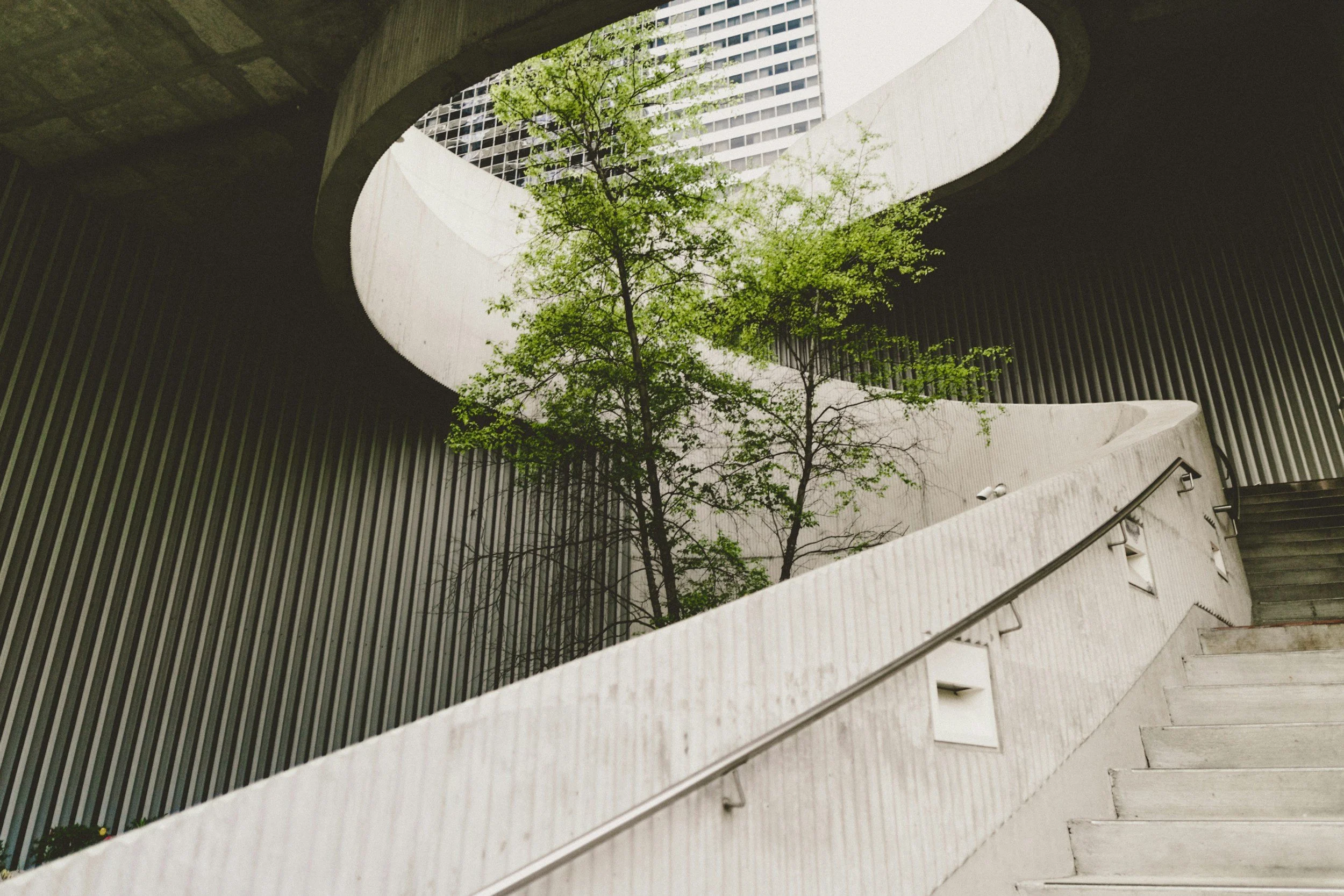
Urban (Wild) Ecologies: an evolving architectural and ecological concept developed by Japanese architects Mio Tsuneyama and Fuminori Nousaku that considers buildings and cities as temporary nodes within complex networks (University of Melbourne, School of Design, 2025).
It asks us to look differently at the city, at the plants growing through cracks in the concrete, the organisms inhabiting neglected structures, the materials moving through buildings and streets and the relationship between architecture and ecology.
We are interested in work that explores wildness within the built environment — particularly the overlooked, improvised, emergent and ecological relationships that exist within urban spaces. Send us work considering urban plants and animals, neglected spaces, adaptive architecture, material ecologies, waste and decomposition, repair and reuse, multispecies habitation and the relationships between buildings and the living systems around them.
How does nature persist within architecture? What lives in the spaces we overlook? What might cities become when we understand buildings as temporary participants in larger ecological systems?
Photography + Visual Art
Submit up to seven images via Google Drive or as an email attachment. Please do not use WeTransfer.
Writing
Poetry, creative nonfiction, essays, short fiction, any and all forms of writing are accepted, as long as they do not exceed 10,00 words. Send your writing in a single PDF file.
No AI is accepted in any category.
Send submissions to contact@rivermargin.com with the subject ‘SPOTLIGHT: Urban Ecologies Submission’ by 1st October 2026. Due to a large volume of submissions, only successful submissions will be responded to. There is no entry fee. Artists retain full rights to their work. Please see the FAQs on our general Guidelines page for further information, as many of these general guidelines also apply to online submissions.
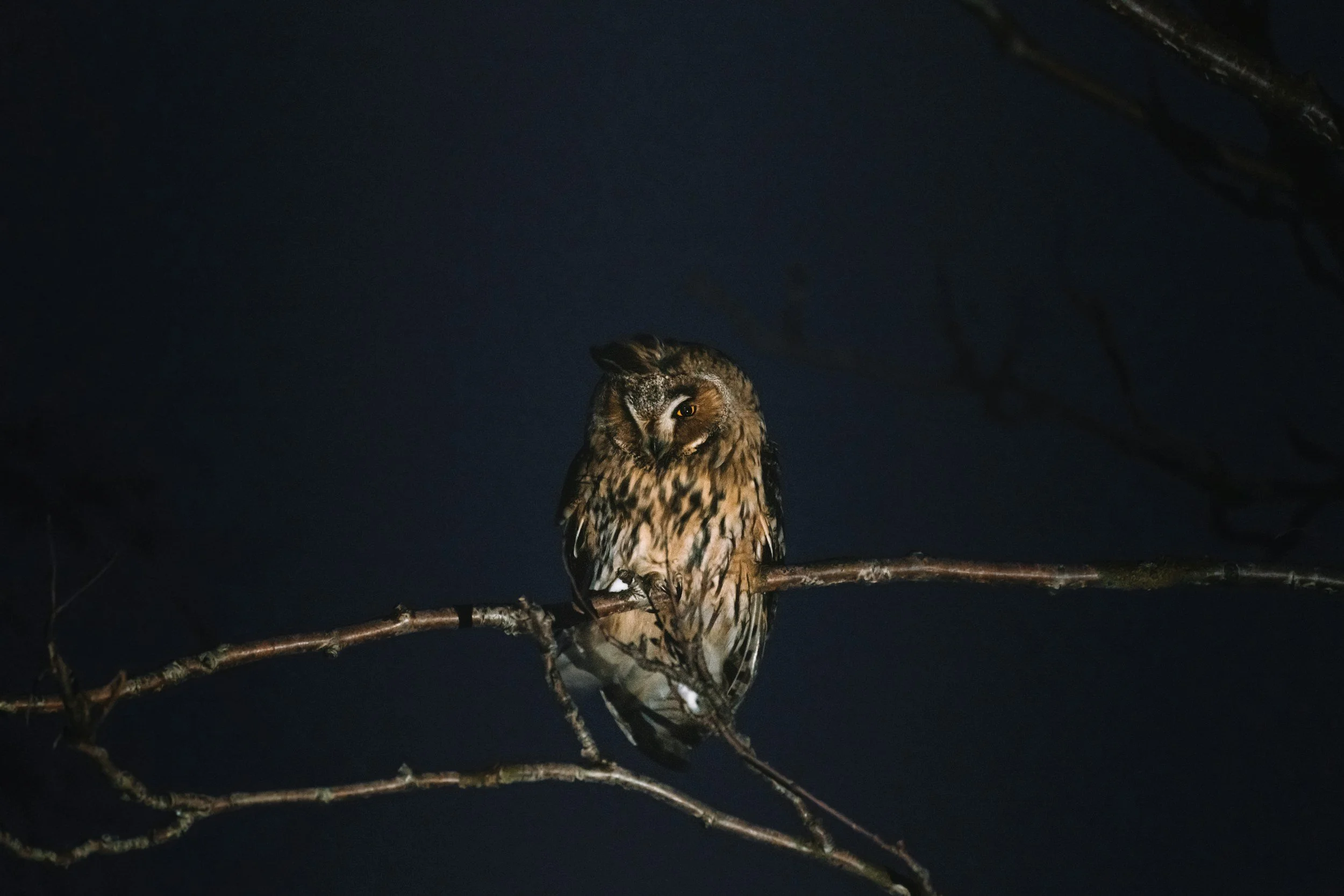
Nocturnal Ecologies: the worlds that emerge, change and become perceptible only after dark.
Night transforms our relationship with the more-than-human world. As human activity quiets, other forms of life become active: moths navigate flowering plants, bats move through darkness, nocturnal mammals forage, frogs call from wetlands, insects gather around artificial light and night-blooming plants release their scents and flowers.
For this spotlight, we are interested in work exploring the ecological, sensory and cultural dimensions of night, work featuring nocturnal animals, insects, fungi and plants; night-blooming and night-pollinated species; bats and moths; nocturnal migration; sound and communication after dark; darkness and sensory perception; artificial light and light pollution; circadian rhythms; seasonal night ecologies; bioluminescence; the relationships between human and more-than-human life after dark.
We are also interested in the ways darkness alters our perception of landscape. What becomes visible only at night? What becomes audible?
Photography + Visual Art
Submit up to seven images via Google Drive or as an email attachment. Please do not use WeTransfer.
Writing
Poetry, creative nonfiction, essays, short fiction, any and all forms of writing are accepted, as long as they do not exceed 10,00 words. Send your writing in a single PDF file.
No AI is accepted in any category.
Send submissions to contact@rivermargin.com with the subject ‘SPOTLIGHT: Nocturnal Ecologies Submission’ by 1st October 2026. Due to a large volume of submissions, only successful submissions will be responded to. There is no entry fee. Artists retain full rights to their work. Please see the FAQs on our general Guidelines page for further information, as many of these general guidelines also apply to online submissions.
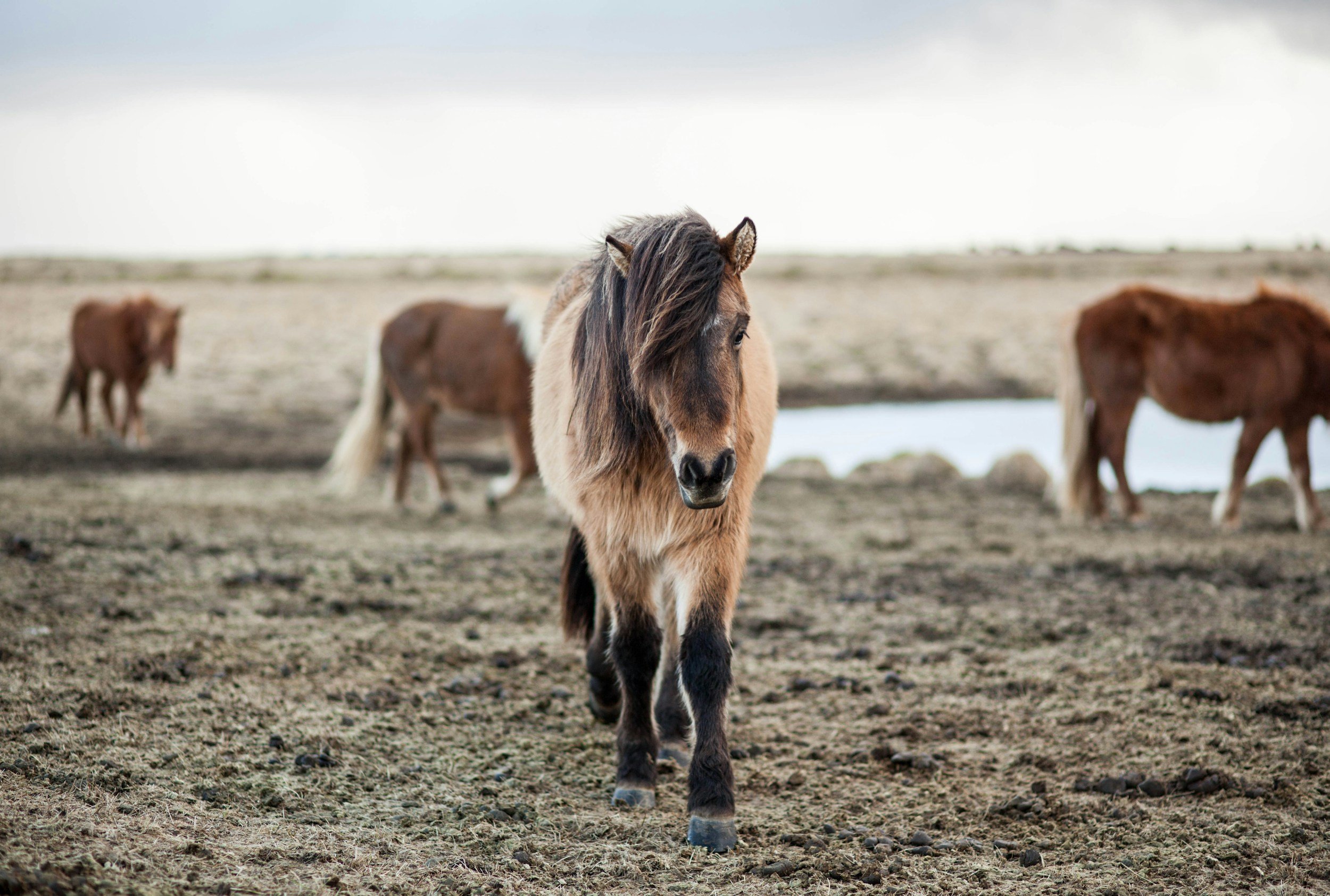
Arctic Ecologies: the far north — from the Arctic Ocean and tundra to boreal margins, subarctic forests, wetlands, rivers, mountains, islands and coastal environments.
We are interested in work that pays close attention to the plants, animals, fungi, microorganisms and landscapes of Arctic and subarctic regions, as well as the ecological relationships that connect them.
Work is welcomed concerning species and ecosystems under pressure from climate change, habitat loss, pollution, resource extraction and other forms of environmental transformation. We are interested in threatened and vulnerable species, but also in the quieter and less frequently represented forms of Arctic life: lichens, mosses, flowering plants, fungi, insects, microscopic organisms and the ecological networks that sustain them, work that explores subjects including Arctic flora and fauna, tundra ecology, subarctic forests, sea ice and marine ecosystems, migration, adaptation, seasonal change, permafrost, ecological disturbance, extinction and conservation and the cultural and historical relationships between people and northern environments, including place, observation, memory, traditional ecological knowledge and changing relationships with land, water, ice and other species.
Photography + Visual Art
Submit up to seven images via Google Drive or as an email attachment. Please do not use WeTransfer.
Writing
Poetry, creative nonfiction, essays, short fiction, any and all forms of writing are accepted, as long as they do not exceed 10,00 words. Send your writing in a single PDF file.
No AI is accepted in any category.
Send submissions to contact@rivermargin.com with the subject ‘SPOTLIGHT: Arctic Ecologies Submission’ by 1st October 2026. Due to a large volume of submissions, only successful submissions will be responded to. There is no entry fee. Artists retain full rights to their work. Please see the FAQs on our general Guidelines page for further information, as many of these general guidelines also apply to online submissions.